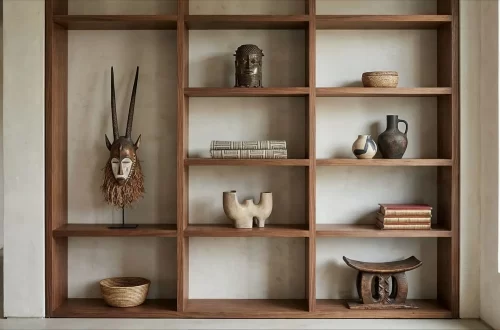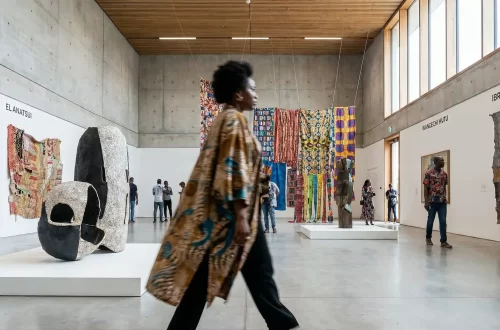
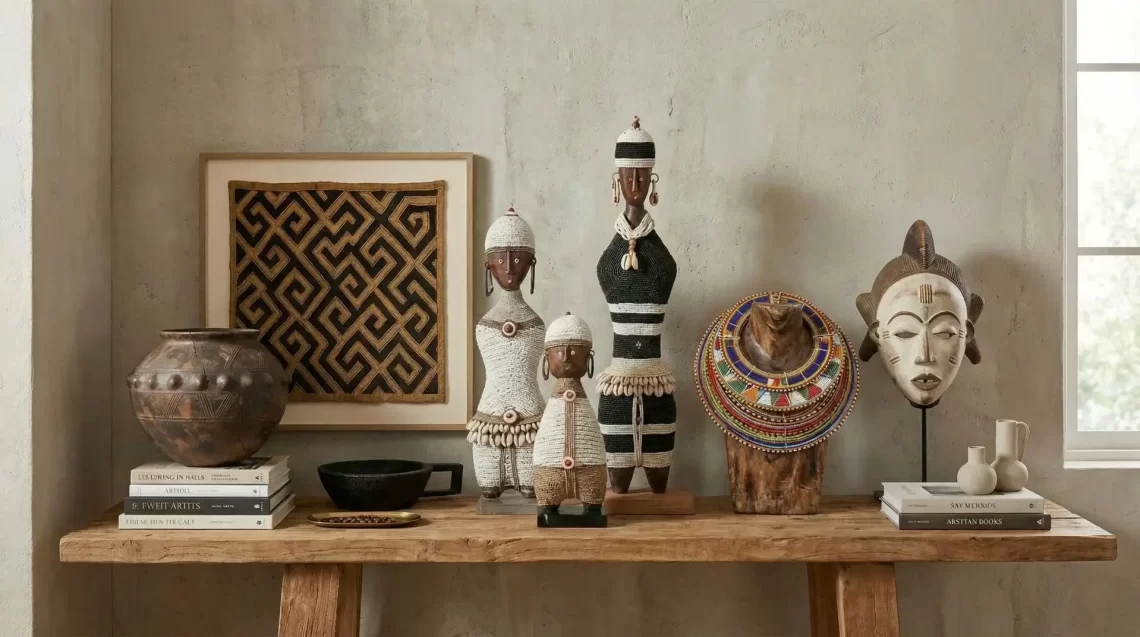
You walk into a serious collector’s home and immediately sense something different. There’s depth. History. Objects that command respect. That’s what African artifacts do: they transform spaces not through decoration, but through sheer cultural weight.
Masks. Textiles. Bronzes. Stools. Pottery. The artistic traditions span centuries and dozens of cultures. So where do you begin to build a collection that actually matters?
Below, I’m breaking down the major categories with all the essentials you need to know. Let’s get into it.
Jump to:
African Masks: Ceremonial Power
African masks represent one of the continent’s most profound traditions. These weren’t decorative objects. They served spiritual, ceremonial, and social purposes that defined community life.
Masks represented ancestors, spirits, or gods during rituals and celebrations. When worn, they transformed the dancer into a sacred entity.
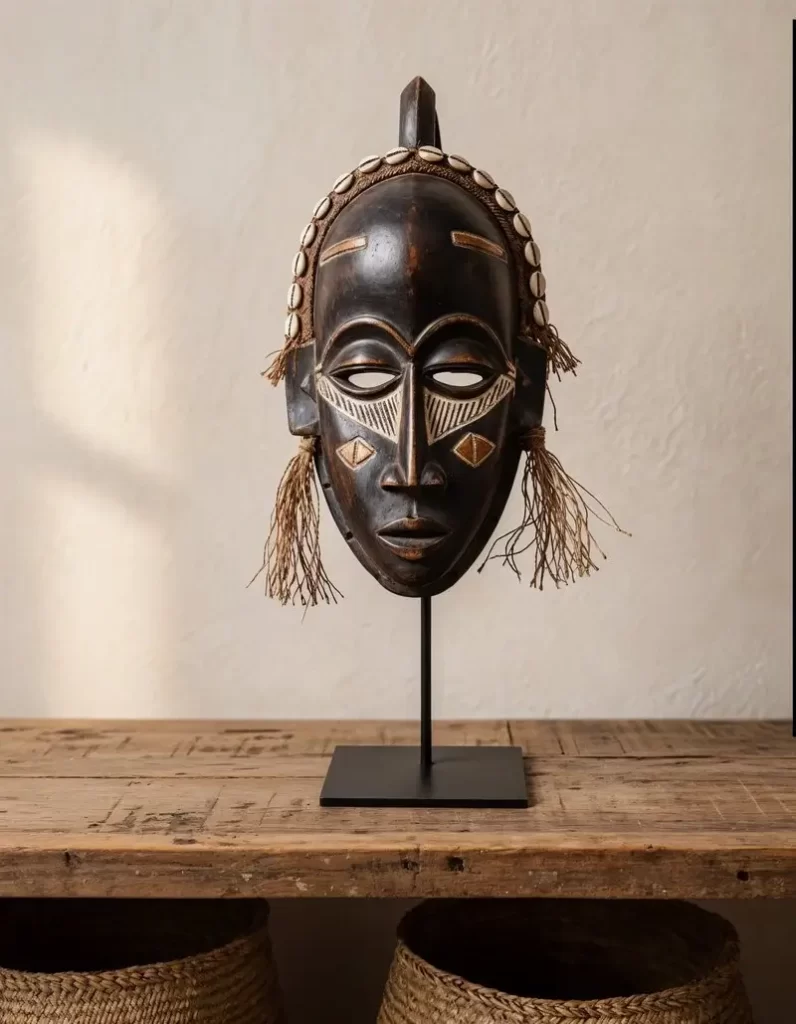
Famous West African Masks
West African masks dominate collections for good reason. The artistic sophistication and spiritual depth are extraordinary. Just to name a few:
- Dan masks from Ivory Coast and Liberia show serene refinement.
- Baule masks feature elegant, idealized features that influenced early modern European artists.
- Dogon masks from Mali bring geometric abstraction that feels contemporary despite centuries of tradition.
- The Nigerian Yoruba created gelede masks with entire carved scenes rising above the face.
- Senufo masks combine human and animal features in ways that challenge perception.
Honorable mentions from other regions include Fang and Punu masks from Gabon, as well as Songye masks from the DRC.
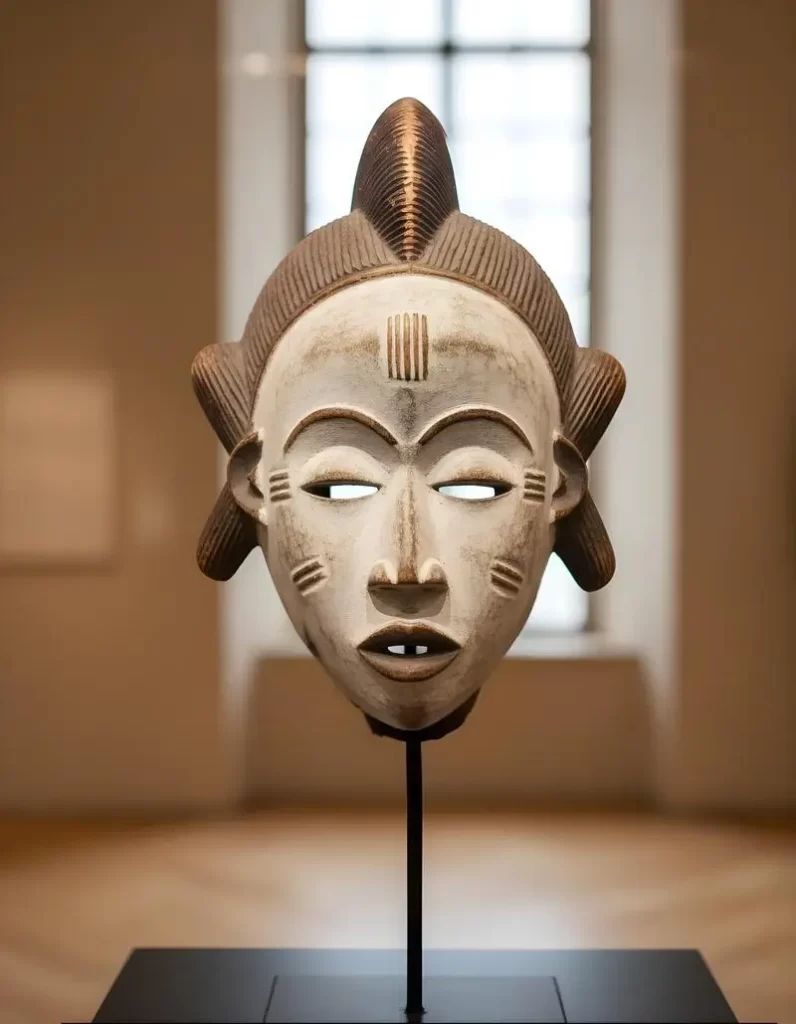
Collecting Considerations
Provenance matters with African masks. You want to know origin, age, and ideally the specific ethnic group. Good dealers document this. Questionable sellers won’t.
Display requires respect. Mount them at eye level where they command attention. Give important pieces space to breathe—they shouldn’t compete with other objects for dominance. The mask’s presence should anchor the space.
My guide to traditional African masks goes deeper on authentication and specific regional styles if you’re building a serious mask collection.
African Ceramics & Pottery
Pottery reveals everything about daily life, ritual practices, and aesthetic sensibilities. African ceramics range from utilitarian vessels to ceremonial masterpieces that required extraordinary technical skill.
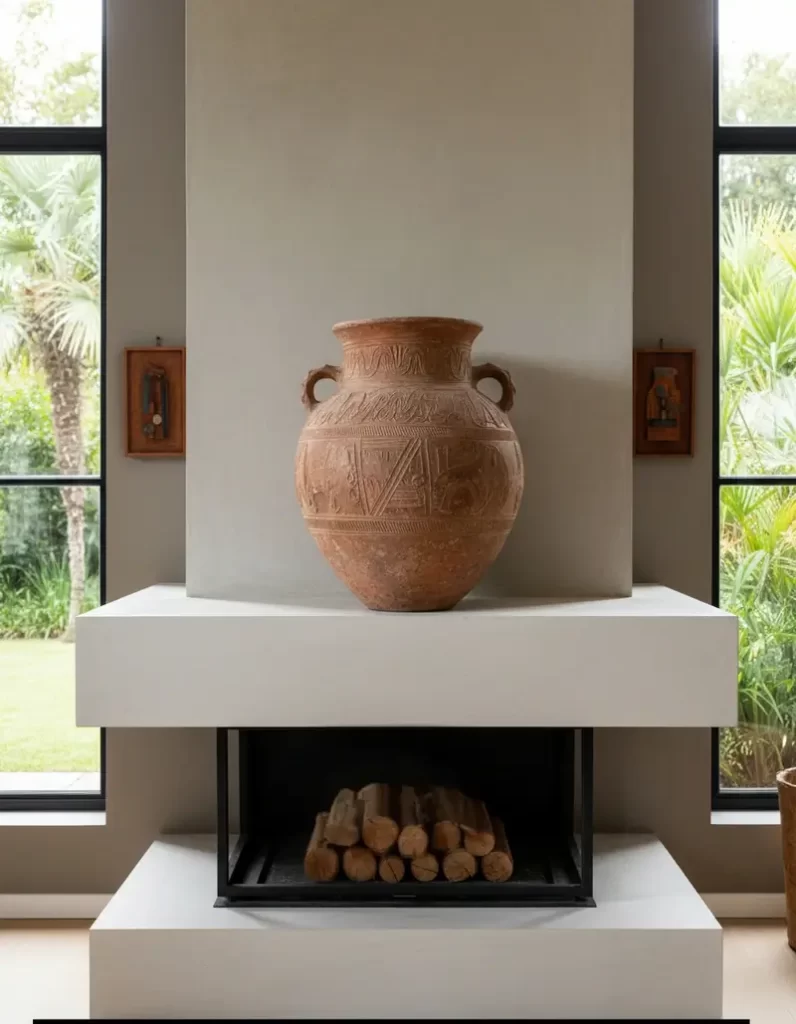
Technical Mastery in African Pottery
Many African potters work without wheels, using coiling or paddle-and-anvil techniques that demand precision. That’s generations of knowledge embedded in muscle memory.
Decorative techniques vary regionally. Incised geometric patterns. Burnished surfaces that achieve gloss without glaze. Smoke-firing that creates black finishes. Each approach represents specific cultural traditions and technical expertise.
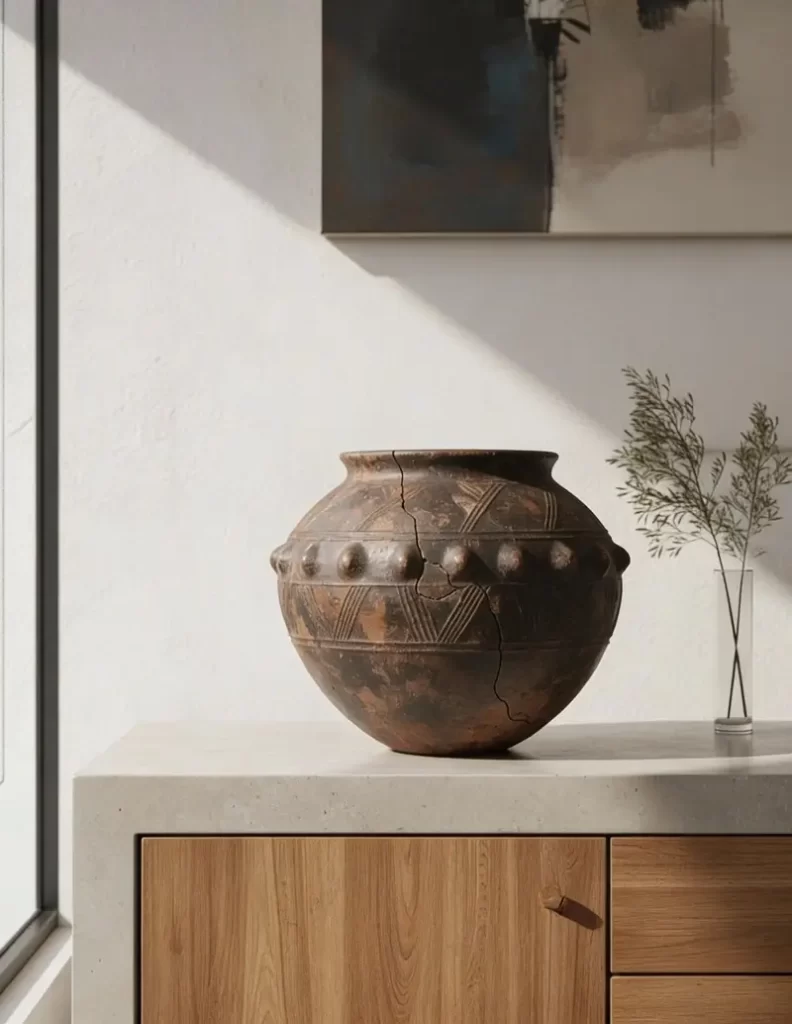
My 3 favorite pot styles are:
- Bamana pots from Mali: incredible design
- Zulu pots from South Africa: ancient yet modern-looking
- and Nupe pots from Nigeria: large yet so delicate
Discover more history and pot styles in my guide to African pottery
Egyptian Ceramics
Egyptian ceramics deserve special recognition. Ancient Egyptian potters achieved technical sophistication that rivaled any civilization. The blue-green faience they developed remains instantly recognizable across museums worldwide. They’re exceptional African artifacts.
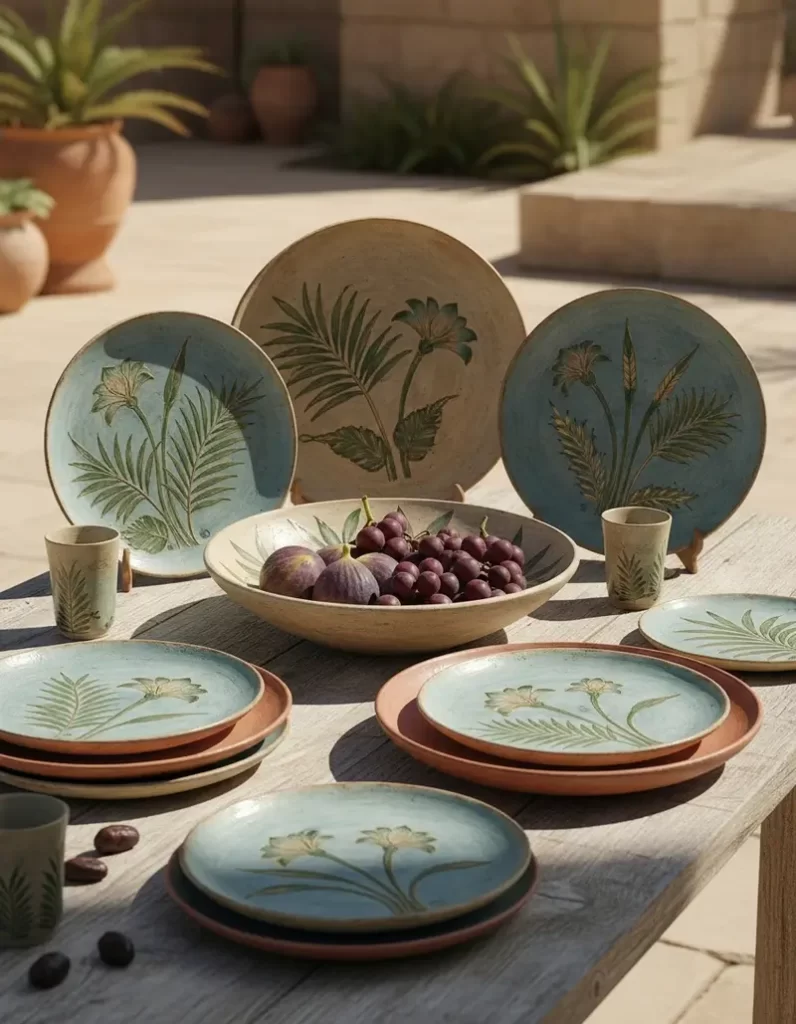
Beyond faience, Egyptian pottery included everything from simple storage vessels to elaborately painted pieces depicting daily life and religious scenes. The artistic continuity across dynasties is remarkable.
Contemporary Egyptian ceramics continue these traditions. Serious collectors appreciate both historical pieces and modern work that honors ancient techniques.
Handcarved African Stools
In many African cultures, stools transcended furniture. They were status symbols and markers of authority. Chiefs and elders used specific stools during ceremonies. Some cultures even believed stools housed ancestral spirits.
The craftsmanship alone justifies collecting African stools. Many are carved from single pieces of wood. The technical skill required to create these forms without modern tools is staggering.
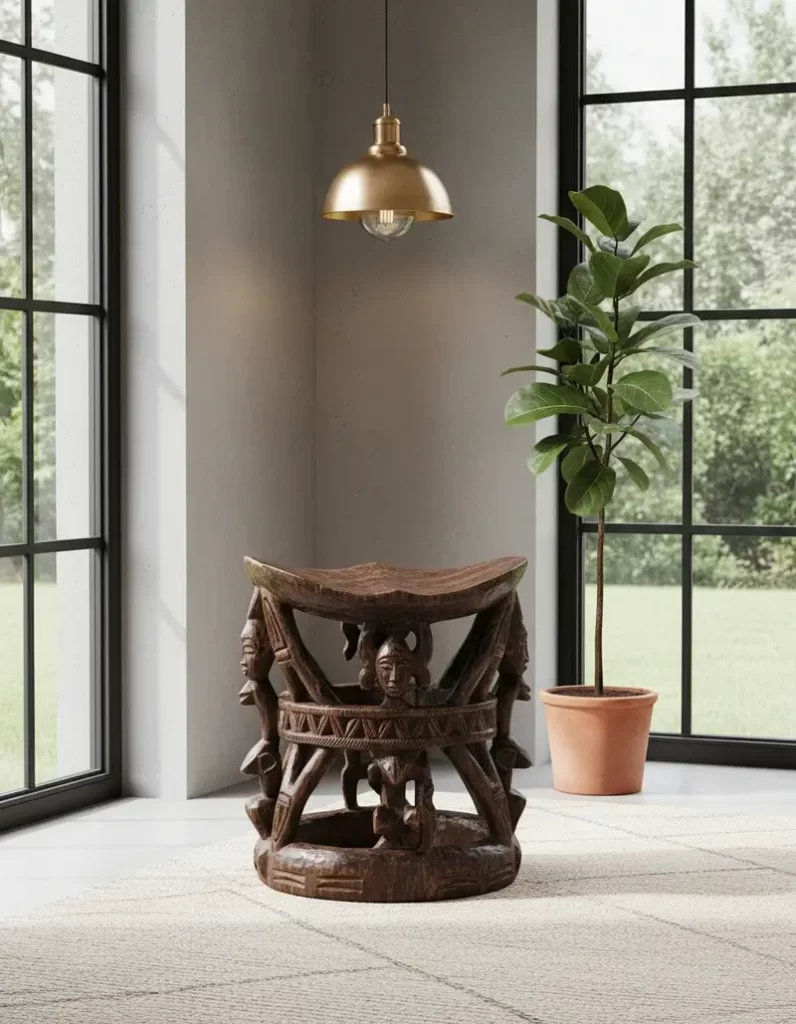
Major Stool Traditions
Bamileke Stools from Cameroon feature circular seats supported by carved figures or geometric patterns. Royal stools received elaborate beadwork that transformed them into powerful status objects.
Senufo Stools from Ivory Coast and Mali show remarkable sculptural sophistication. Some incorporate animal or human figures as supports. Others feature purely geometric forms. The best Senufo stools balance artistic vision with a deceptively simple design.
Ashanti Stools from Ghana carry profound significance. First, the famous Golden Stool represents the Ashanti nation’s soul—it’s never actually used because it embodies collective identity. Everyday Ashanti stools also carry spiritual weight, believed to hold the soul of their owners.
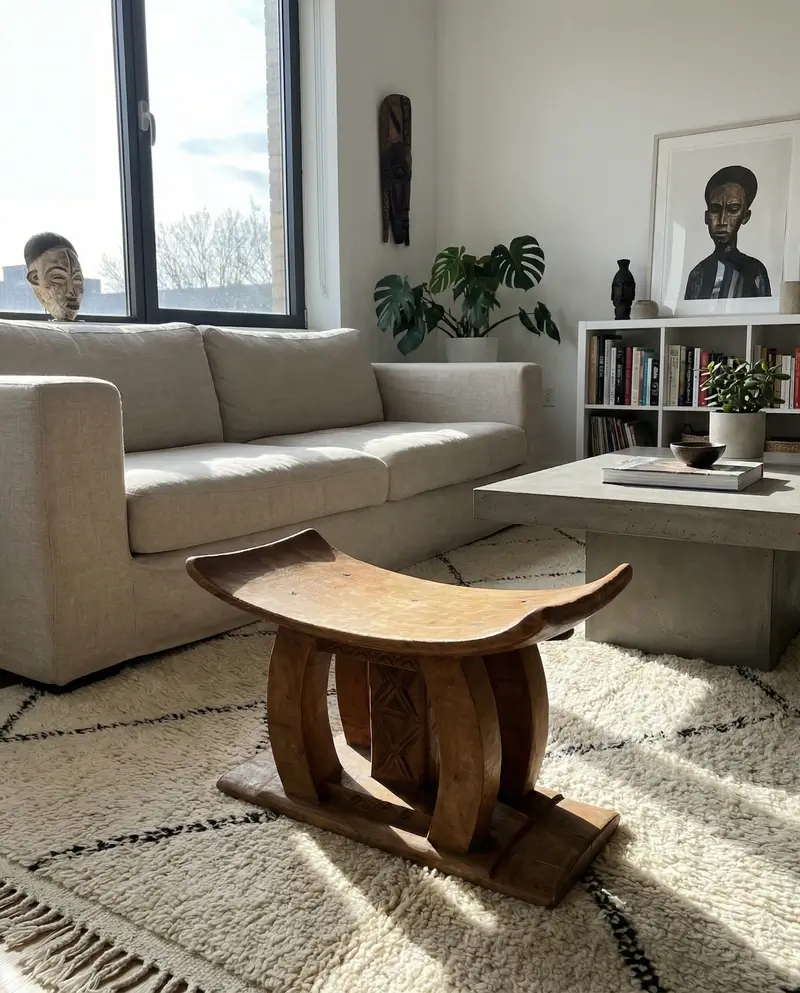
Collecting Stools: African Artifacts that Double as Furniture
Look for single-piece construction when possible. Signs of age and use add authenticity—smooth patinas from handling, minor wear that shows character. Avoid pieces with obvious modern tool marks unless you’re specifically collecting contemporary work.
Display them where you can view them from multiple angles. These are three-dimensional artworks. Some collectors even use them functionally, which honors their original purpose.
Textiles: Key African Artifacts
African textiles are all about identity and traditional crafts. They’re cultural documents, symbols of a people, and technical achievements. Not always cited as African artifacts, yet one of the most important. Here are a few notable ones.
Mud Cloth
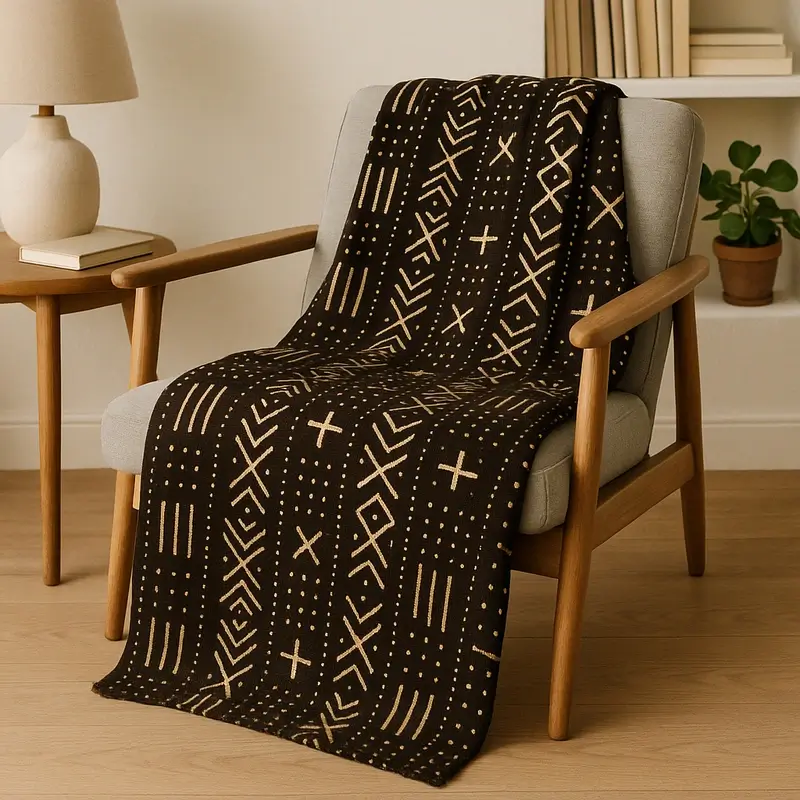
Mud cloth (bogolanfini) from Mali involves hand-woven cotton decorated using fermented mud as dye. The process is labor-intensive and technically demanding. Its patterns have meanings related to Bamana cultural beliefs.
Authentic pieces show slight irregularities that prove hand production. The geometric precision despite manual techniques demonstrates exceptional skill. My guide to styling mud cloth discusses both traditional and contemporary pieces.
Kuba Cloth
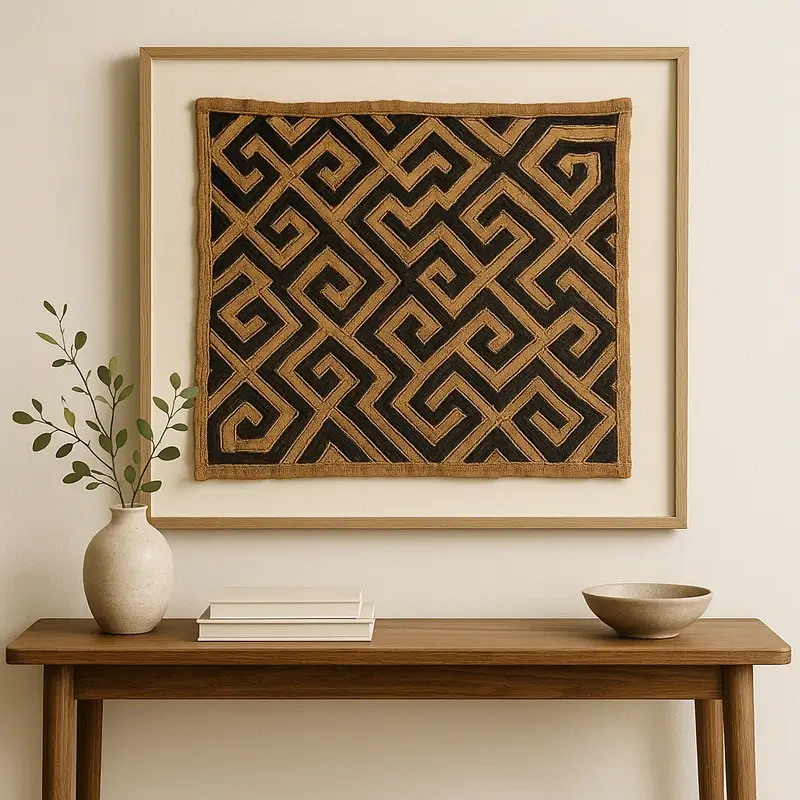
Kuba cloth from the Democratic Republic of Congo represents one of Africa’s most tactile textile traditions. The distinctive raised pile creates incredible texture that must be experienced in person.
The Kuba people cut sections of raffia embroidery to create patterns. Each cloth requires months of meticulous work.
Antique Kuba cloth is increasingly rare. Contemporary artisans continue the tradition with varying degrees of quality. Serious collectors learn to distinguish exceptional craftsmanship from tourist-market pieces.
Indigo Textiles
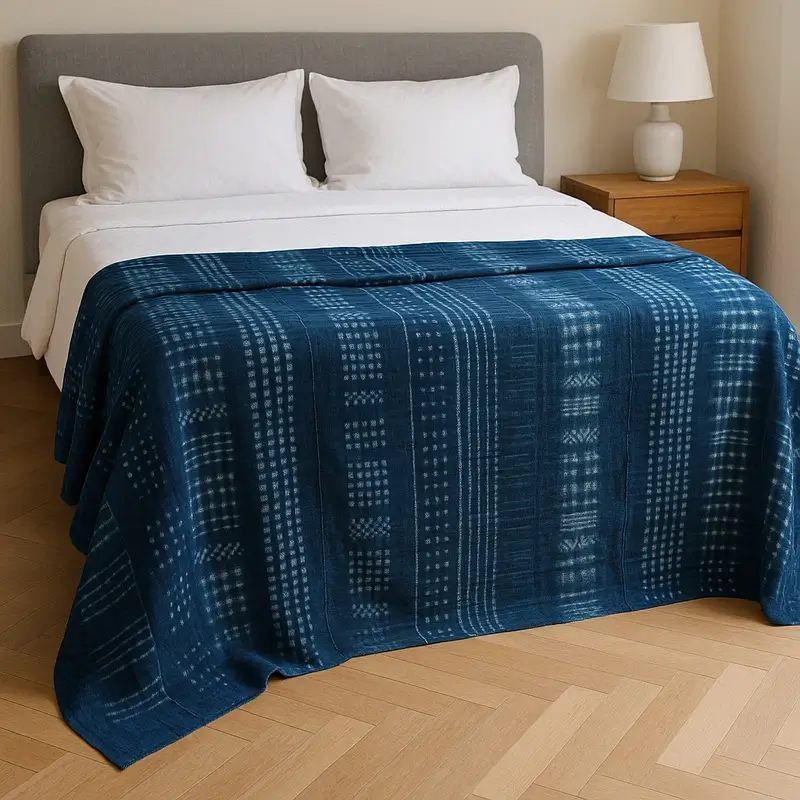
Indigo dyeing traditions span the continent. West African indigo cloth is particularly renowned for deep blue tones achieved through natural dye processes that date back centuries.
Yoruba adire cloth uses cassava paste or stitching to create patterns before dyeing. The technical knowledge required to produce consistent results with natural indigo is substantial. Each immersion deepens the blue through chemical processes that artisans understand intuitively.
Metalwork & Bronze African Artifacts
African metalworking traditions achieved extraordinary sophistication. Bronze casting, particularly, reached levels that rivaled anything produced globally during the same periods.
African Bronze Art
African bronze art from the Kingdom of Benin represents one of world art’s great achievements. Benin bronze plaques and sculptures show technical mastery and artistic vision that astonished European visitors.

These African artifacts documented royal ceremonies, warriors, and courtly life with remarkable detail. Each served as historical record cast in metal using lost-wax techniques.
Authentic historical Benin bronzes are museum pieces now. Contemporary bronze work continues the tradition. Discerning collectors seek pieces demonstrating traditional casting methods and artistic excellence.
Specialized Metalwork
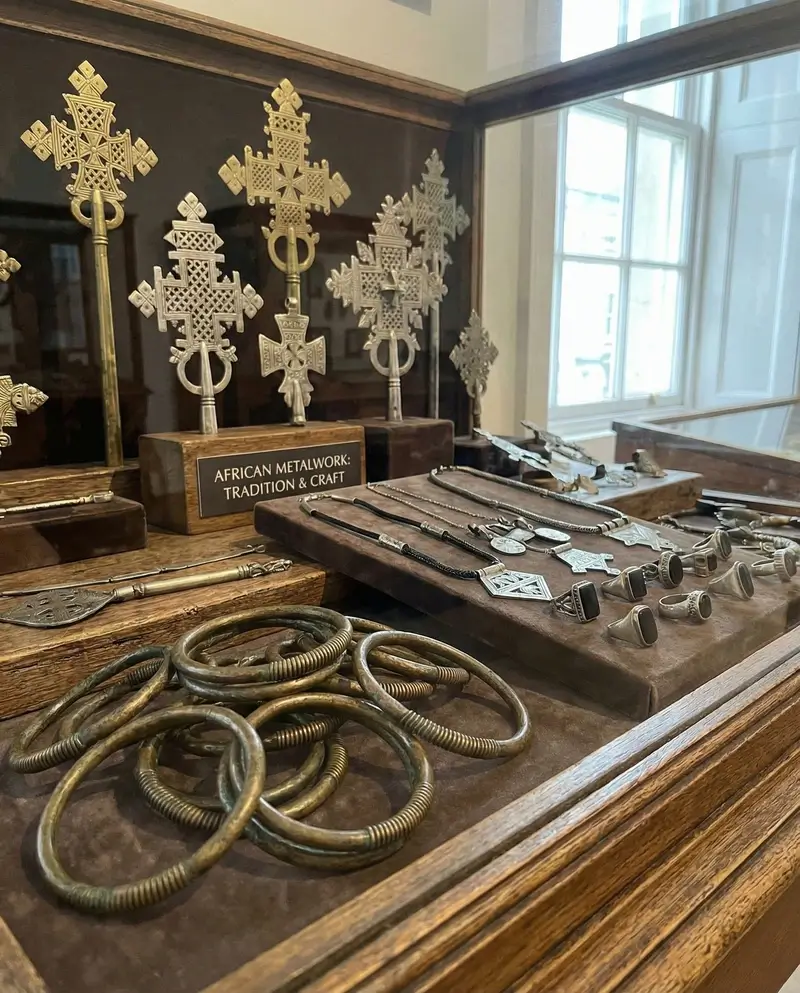
Bronze bangles from various regions also show incredible decorative sophistication. The Fon people of Benin and groups in Mali and Burkina Faso each developed signature patterns. They’re some of the finest African artifacts.
Tuareg silver jewelry from the Sahara Desert features geometric designs in sterling silver. The craftsmanship rivals fine jewelry worldwide.
Ethiopian crosses represent unique religious art. These processional crosses feature elaborate openwork designs—no two exactly alike. The symbolism weaves Christian and pre-Christian Ethiopian elements together in metal.
Beadwork & Adornment
African beadwork demonstrates precision and vision. Across the continent, cultures developed sophisticated beading techniques for personal adornment and ceremonial objects.
Maasai bead collars from Kenya and Tanzania feature sophisticated patterns in bright colors. Each color carries specific meaning in Maasai culture. The patterns identify age groups, marital status, and clan affiliation.
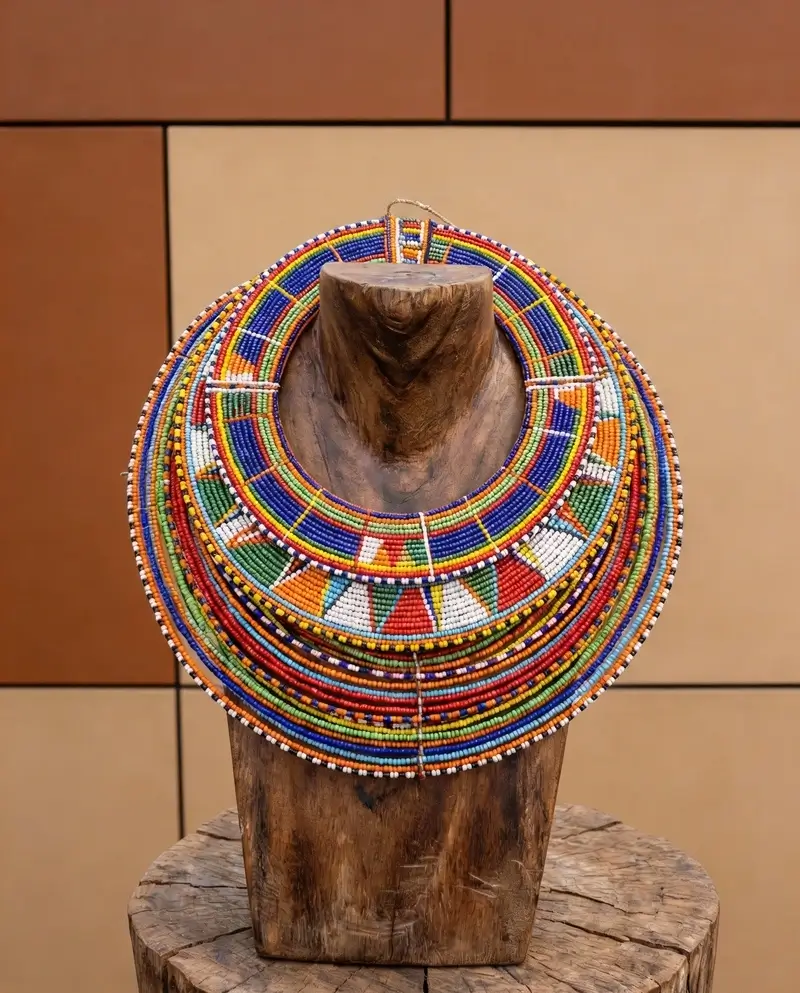
Ndebele necklaces from South Africa show bold geometric patterns related to architectural painting traditions. The beadwork indicated status and wealth while celebrating cultural identity.
Yoruba beaded crowns represent beadwork’s highest achievement. Thousands of tiny glass beads sewn onto fabric bases that create three-dimensional forms. The craftsmanship required is extraordinary. Kings wore these elaborate crowns during ceremonies.

Hausa baskets from Northern Nigeria combine functional forms with beaded embellishment. Leather strips decorated with geometric beadwork are woven into practical shapes. They’re utilitarian objects elevated to pure art.
Heritage Bowls & Vessels
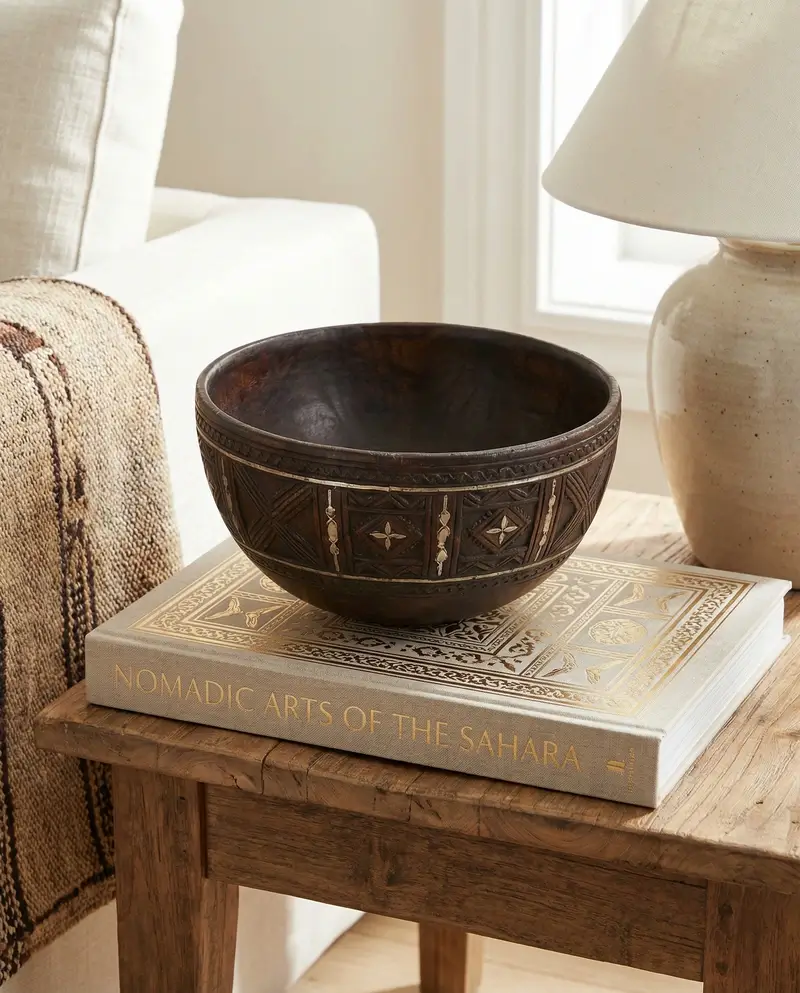
African bowls range from simple carved vessels to elaborately decorated ceremonial pieces. Different cultures developed signature forms based on materials and intended uses.
Carved Wooden Bowls
African ceremonial bowls often incorporate figural elements. Carved hands support the bowl. Human or animal forms integrate into the structure. These pieces blur boundaries between functional object and sculpture.
Wood types vary by region. Dense hardwoods like mahogany, ebony, and iroko appear frequently. Age and use create rich patinas that add authenticity.

Collecting Heritage Vessels
Look for pieces showing genuine age and use. Smooth wear patterns from handling. Natural patinas developed over decades. These signs distinguish authentic heritage pieces from recent tourist production.
Display them prominently where their sculptural qualities are visible.
Other African Artifacts Worth Collecting
Woodcarving traditions produced countless African artifact types beyond major categories. Several standouts deserve serious attention.
Namji dolls from Cameroon combine carved wood and beadwork in unique figures. Traditionally fertility objects, they’re now collected as folk art that bridges sculpture and textile traditions.
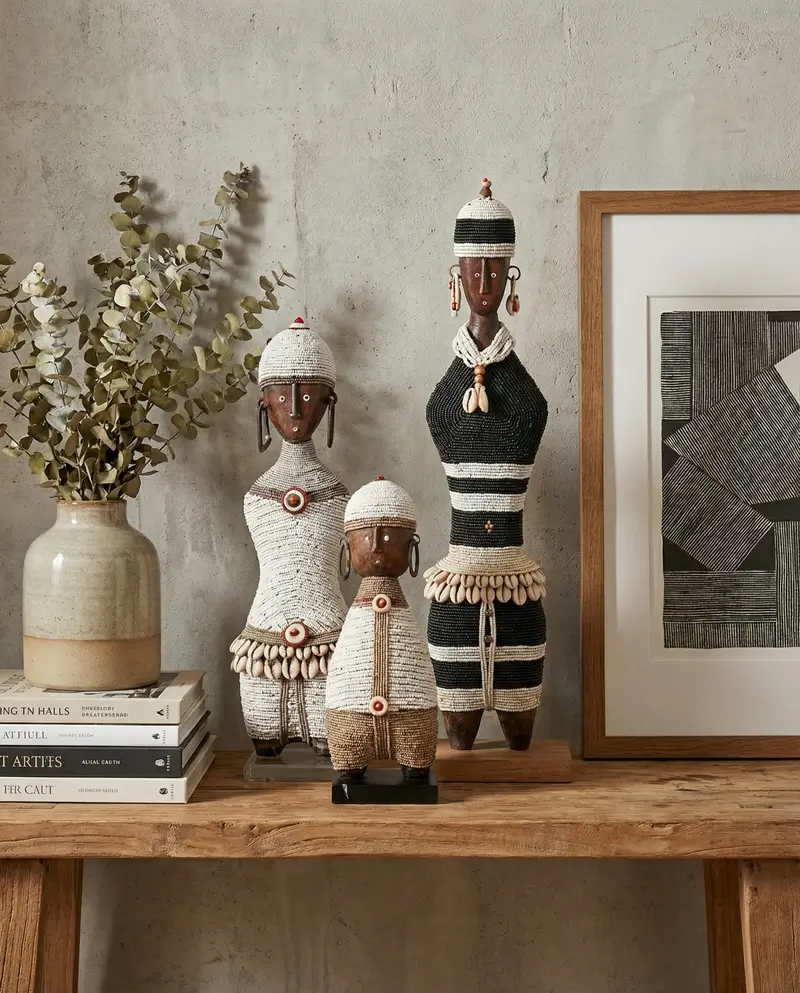
Akuaba dolls from Ghana show Akan aesthetic refinement. Flat disc-shaped heads on cylindrical bodies with minimalist features feel remarkably modern despite traditional origins.
Dogon doors from Mali feature elaborate carved panels depicting ancestors, animals, and abstract patterns. Antique examples are increasingly rare. These substantial pieces carry real weight—physically and culturally.
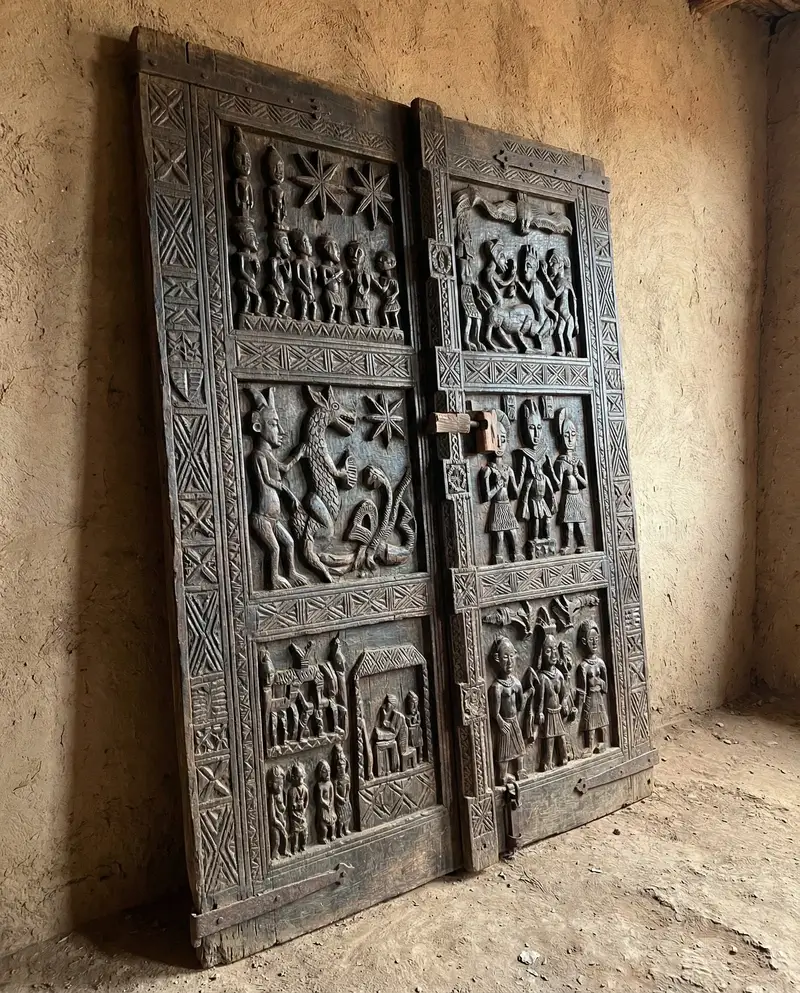
Yoruba panels show relief carving with remarkable complexity. Figures in traditional dress, ceremonial scenes, and symbolic elements appear in sophisticated compositions that reward close study.
Moroccan panels represent North African traditions distinct from sub-Saharan styles. Geometric patterns dominate following Islamic artistic conventions. The carved cedar work shows patterns and interlaced designs requiring extraordinary precision.
Building a Meaningful Collection of African Artifacts
The best African artifacts reflect genuine engagement with the material. Don’t collect for investment potential alone. Build around pieces that resonate personally while respecting their cultural meaning.
Research matters. Learn about specific traditions and understand proper contexts. This knowledge deepens appreciation and helps identify authentic quality.
Work with reputable dealers who document provenance. Be skeptical of pieces claimed as ancient without documentation. Contemporary African artisans also create exceptional work—just be clear on what you’re acquiring.
Display your collection where these pieces receive the attention they deserve. African artifacts aren’t meant for storage. They’re cultural masterpieces.
That’s what makes collecting African artifacts worthwhile—you’re preserving heritage while appreciating some of humanity’s greatest artistic achievements.