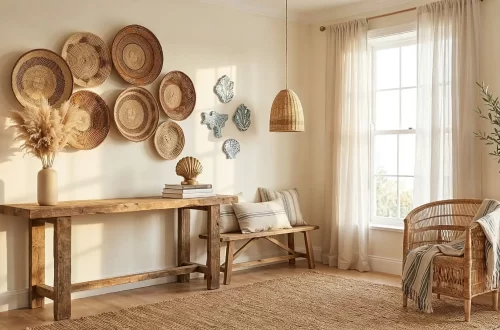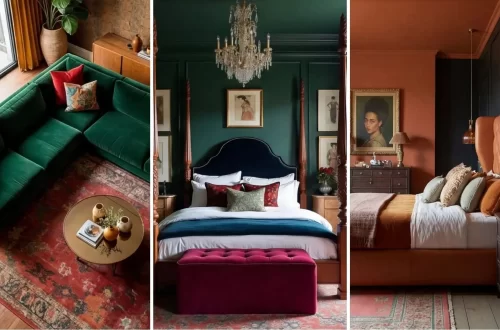
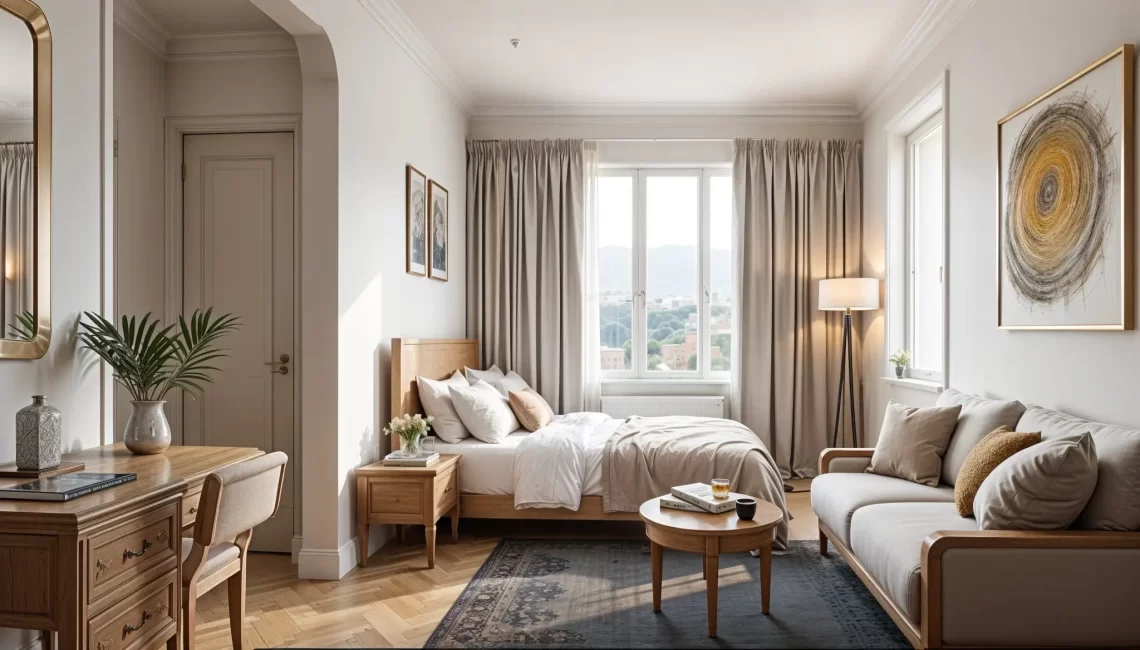
After a decade of squeezing full lives into 300 square feet, I’ve learned that studio room design is less about the space itself and more about understanding how you actually live. The problem isn’t usually the size. It’s trying to force layouts that don’t match your daily reality.
Below, I’m walking you through the smartest studio layouts based on what matters most in your life, plus chic decor moves that make small spaces look expensive without the price tag. Let’s hit it.
Jump to:
Studio Room Design Foundations: What Actually Matters
Before diving into specific layouts, let’s establish what makes studio room design work.
You’re not decorating multiple rooms. You’re creating distinct zones within one space. That fundamental difference changes everything about how you approach design.
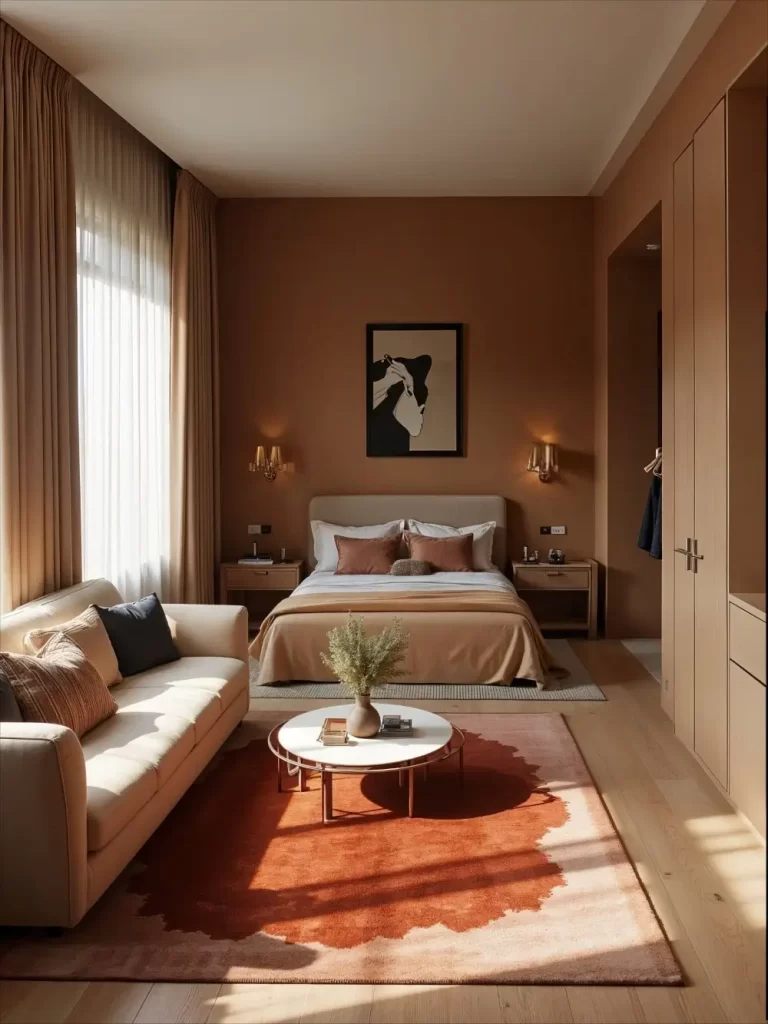
Understanding Your Layout Priorities
Every studio layout prioritizes something. More living space means less bedroom area. A proper home office requires sacrificing dining room size. We can’t have everything in 273 square feet, so we choose what matters most.
Ask yourself these questions:
- Do you work from home daily or rarely?
- How often do you host friends for meals?
- Do you need serious separation between work and sleep areas?
- Is storage your biggest pain point?
- Do you spend more time lounging or sleeping?
Your answers determine which layout will actually work for your life instead of just looking good in theory.
5 Studio Room Design Layouts for Every Lifestyle
All these studio room design options work within the same 273-square-foot space (21′ × 13′). The kitchen and bathroom stay constant. Only the living, sleeping, dining, and work zones shift based on priorities.
Let’s look at what each approach delivers.
1. Balanced Studio Design for All Areas
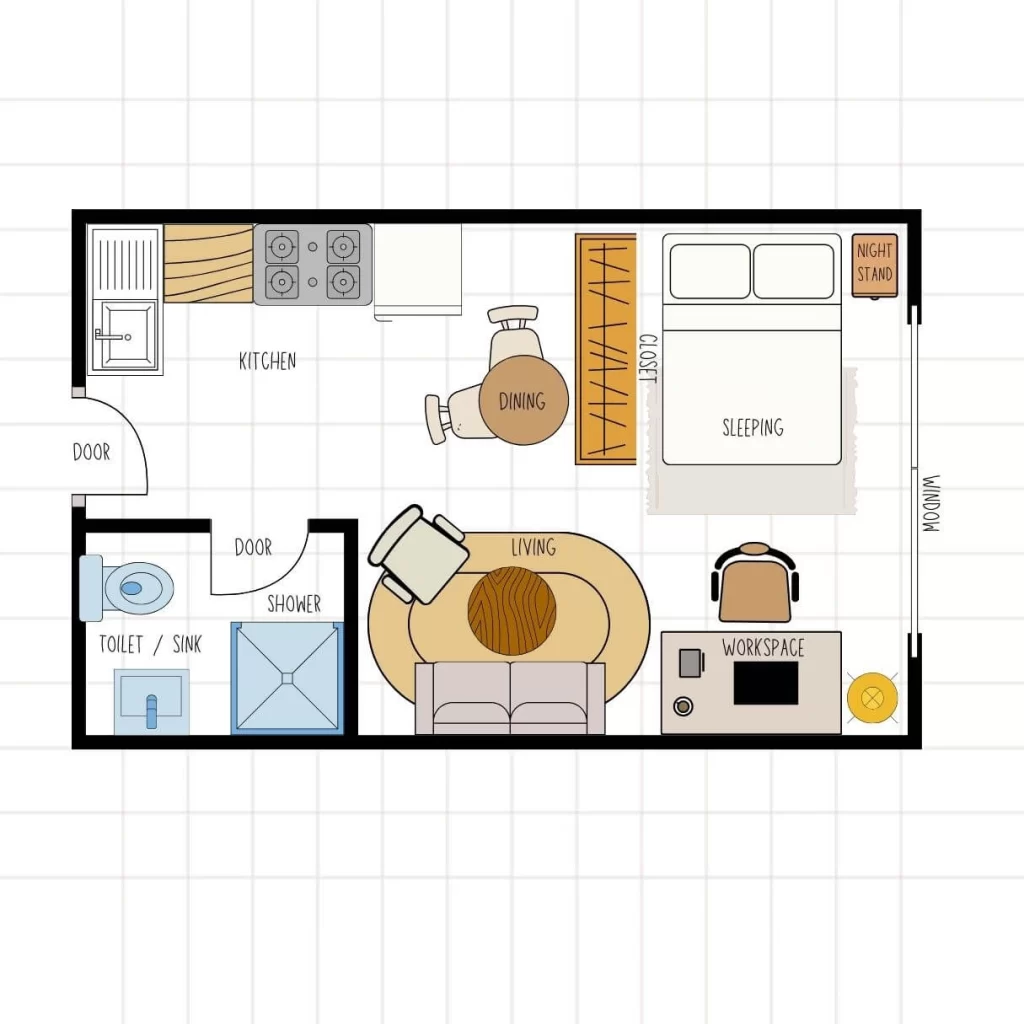
Perfect for: People who want equal attention to every part of life.
This classic studio room design gives you dedicated spaces for everything. The closet creates a natural divider between your sleeping area and the kitchen-dining zone. Your workspace sits by the window for natural light. The living room gets a proper setup with a couch, accent chair, and coffee table.
It’s like having a one-bedroom apartment compressed into studio form.
The trade-off: With space divided equally, no single area feels particularly spacious. You get balance but not luxury in any one zone.
2. Living Room-Focused Studio Room Design
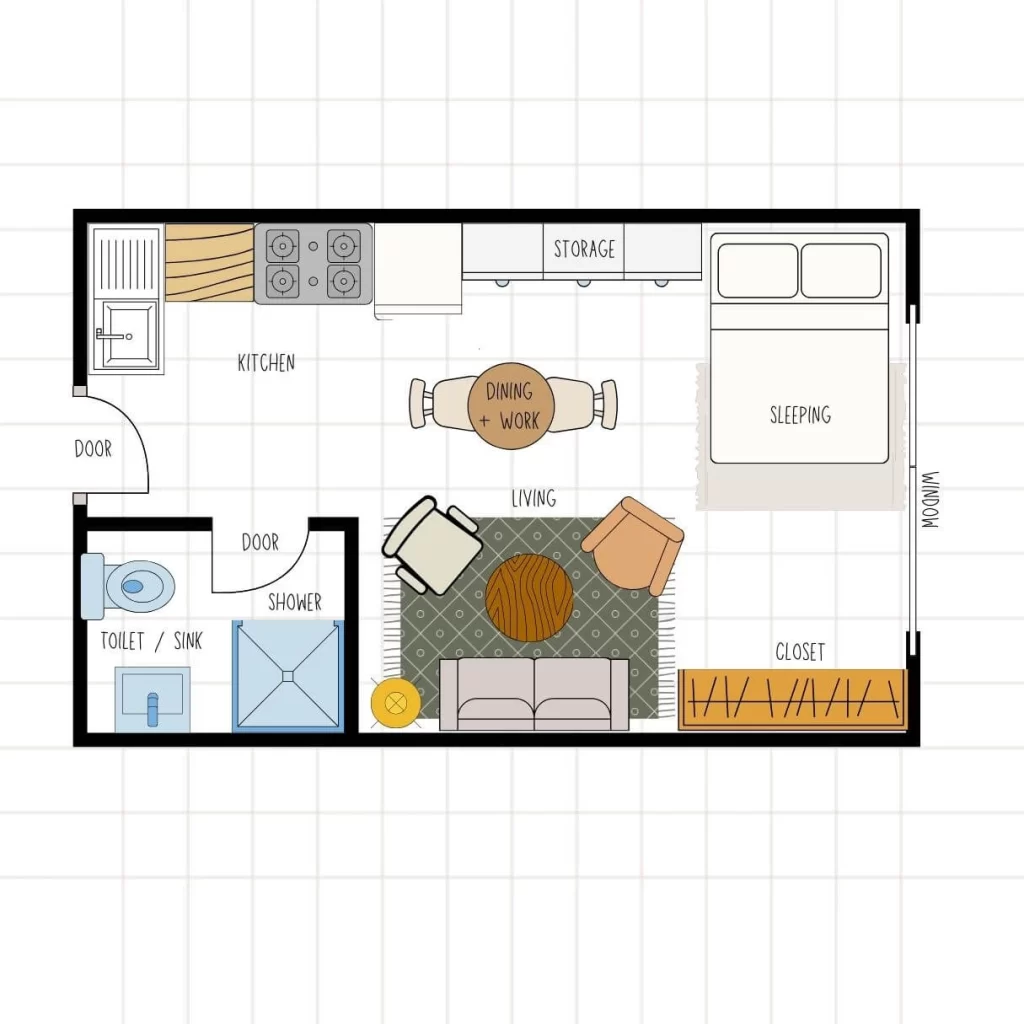
Perfect for: Anyone who doesn’t need dedicated desk space and wants maximum lounging area.
Here’s where priorities get clear. This studio room design sacrifices a separate workspace to create a genuinely spacious living area. Your dining table does double duty for meals and occasional laptop work. Tall storage cabinets replace nightstands, giving you serious storage capacity.
The result feels more like a traditional apartment. You can actually fit guests comfortably instead of perching awkwardly on every available surface.
The trade-off: No dedicated workspace means your dining table needs to stay relatively clear. Not ideal for serious work-from-home situations.
3. Bedroom-Priority Studio Layout
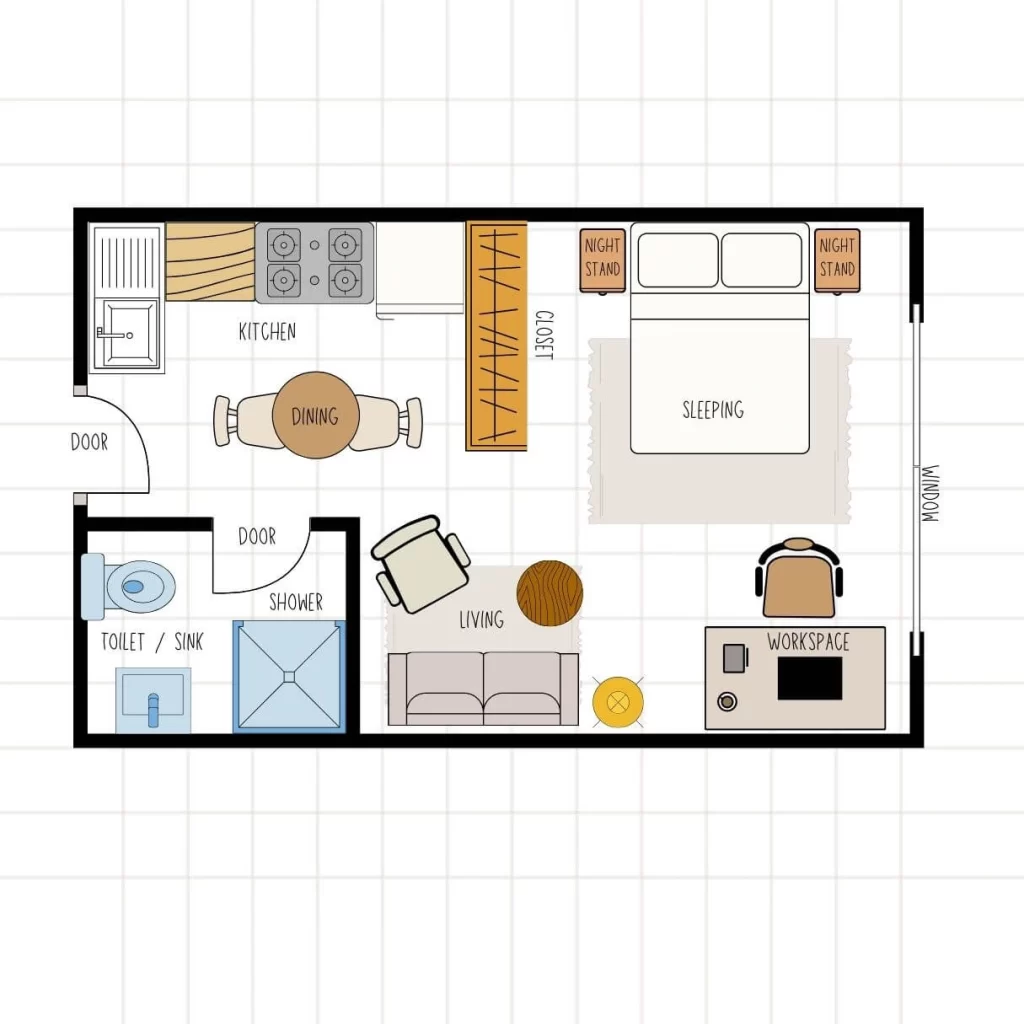
Perfect for: People who value sleep quality and bedroom comfort above everything else.
Yes, you can absolutely have a luxurious sleeping area in a studio. This layout proves it. You get a proper double bed with nightstands on both sides—the full bedroom experience.
The trade-off shows up in more compact dining and moderate-sized living and work areas. But sometimes a great sleeping space is worth it.
The trade-off: Less room for entertaining or spreading out during the day. Your at-home social life takes a backseat to sleep quality.
4. Home Office Studio Room Design
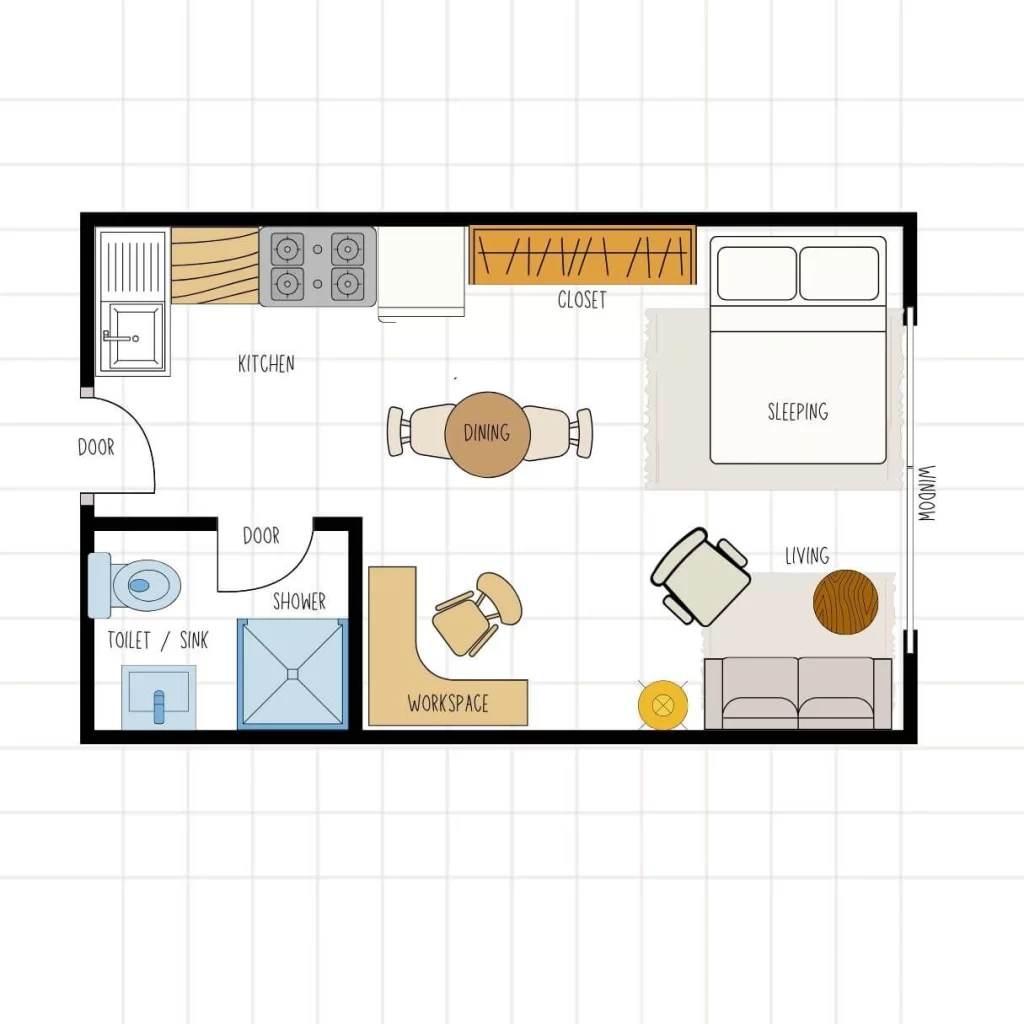
Perfect for: Serious work-from-home situations requiring multiple monitors and substantial equipment.
When your job demands space, your studio room design needs to deliver. This layout removes nightstands to free up the corner, creating either a large L-shaped workspace or room for two desks positioned at 90 degrees.
Other areas stay compact but functional. You get a great home office while still maintaining enough space for living and sleeping.
The trade-off: Minimal bedroom styling and tighter living area. A good workspace is the priority, the rest adapts around it.
5. Social Dining-Focused Studio
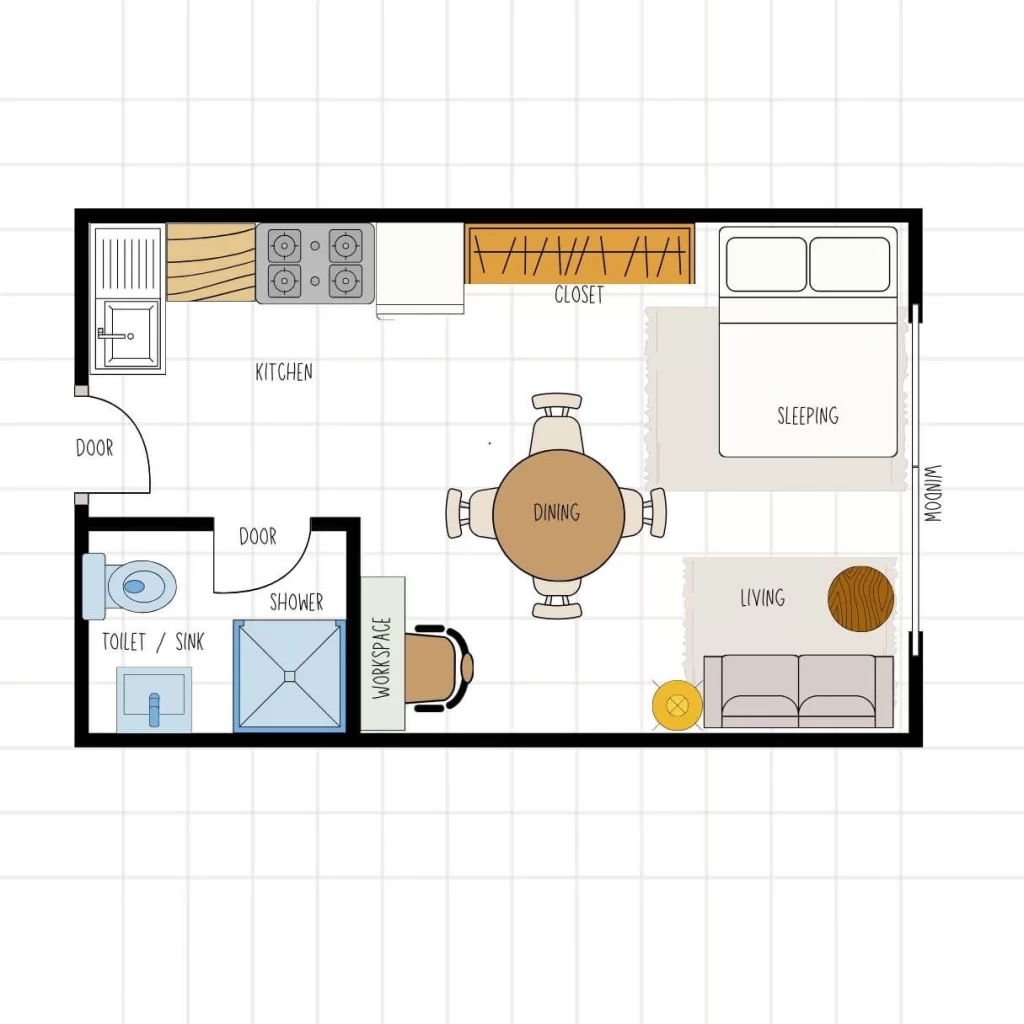
Perfect for: Social people who regularly host friends for meals.
Who says studios can’t handle dinner parties? This layout prioritizes your social life with a round dining table that fits more people and feels less formal. The couch-opposite-bed living arrangement still works, and you skip the accent chair—your dining chairs double as extra living room seating when needed.
The trade-off: The dining table takes up significant floor space even when not in use. Your studio will always read as “dining-focused” in its layout.
Decor Time: Our Top Tips for Elevated Studio Room Design
For small spaces to look chic, they have to be extra intentional. The difference often comes down to a few specific choices rather than your actual budget.
After almost a decade in tight apartments, I’ve figured out exactly which moves create that boutique-hotel vibe instead of dorm-room energy.
Start with Warm Lighting
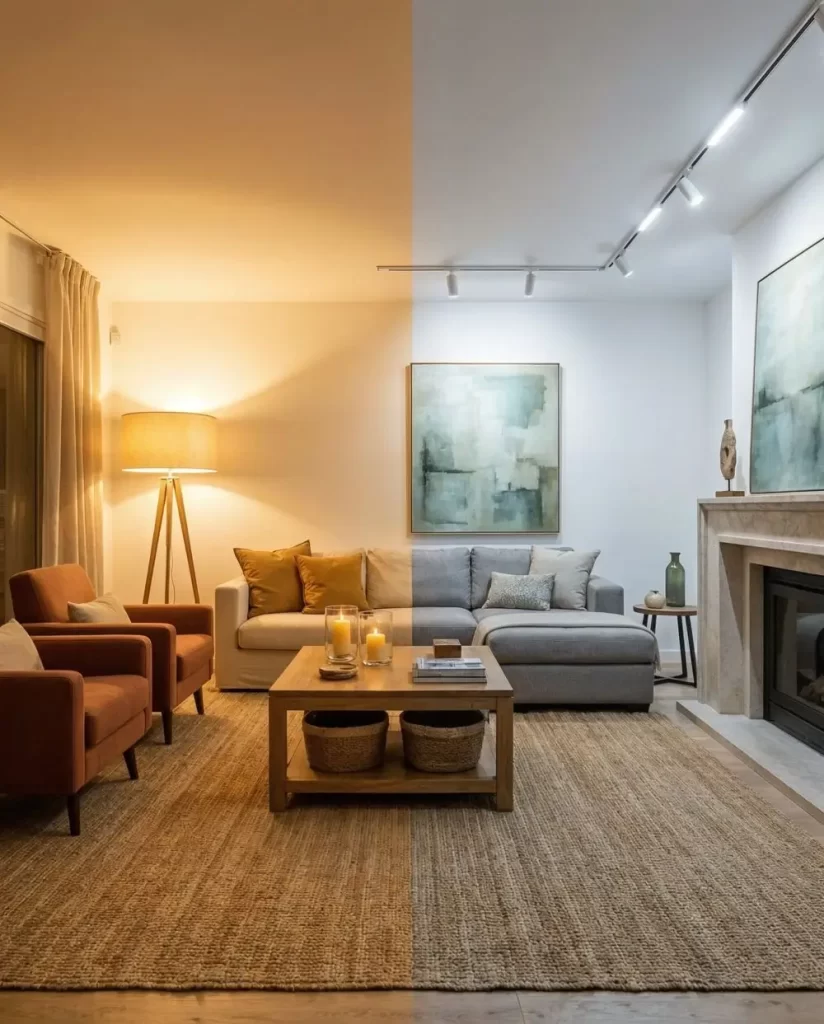
Swap every single bulb for 2700K-3000K warm light. Cold white lighting makes even beautiful decor look lifeless and cheap. If you can only make one change, let it be this one.
Then ditch harsh overhead lighting. Layer in floor lamps, table lamps, or wall sconces. Small pendant lights work beautifully too. You want warm pockets of light throughout your space instead of one glaring ceiling fixture.
Hide Everything That’s Not Beautiful
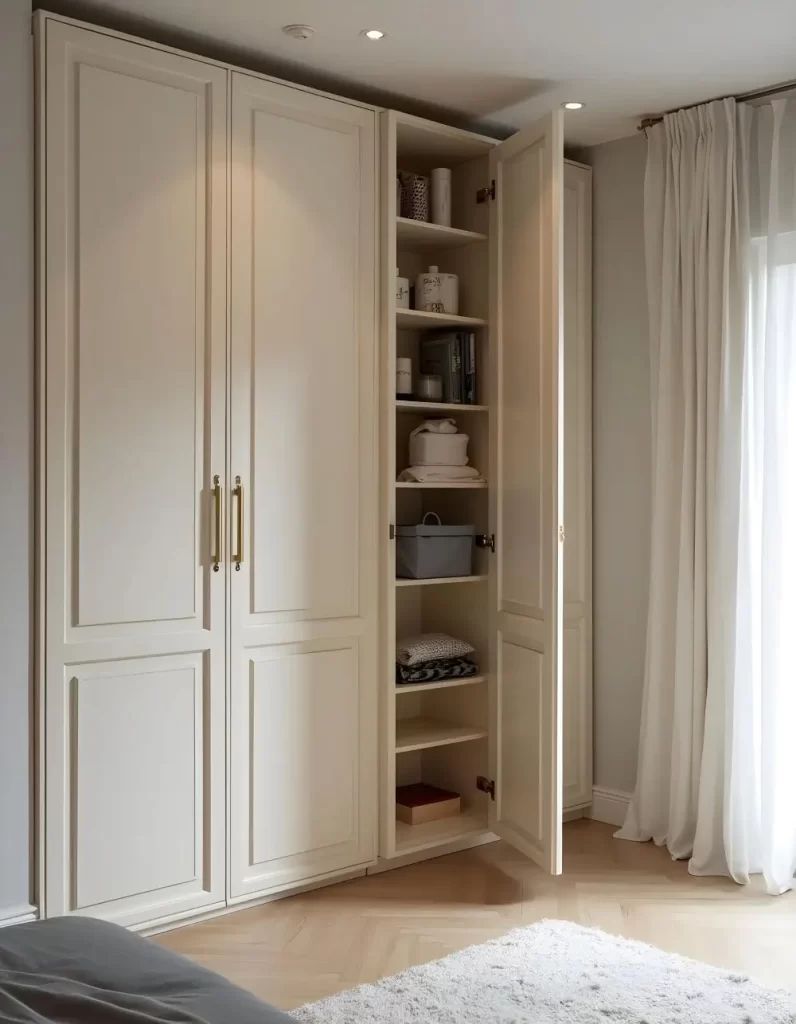
Golden rule for chic studio room design: if it’s not cute and you’re not using it right now, it needs to disappear. In small spaces, clutter is the enemy of luxury vibes.
Get creative with hidden storage. Beds with built-in drawers underneath. That dead space under your couch. Vertical storage all the way to the ceiling. Closed storage should represent about 60-80% of your total storage to keep things looking tidy.
Place a Large Mirror by a Window
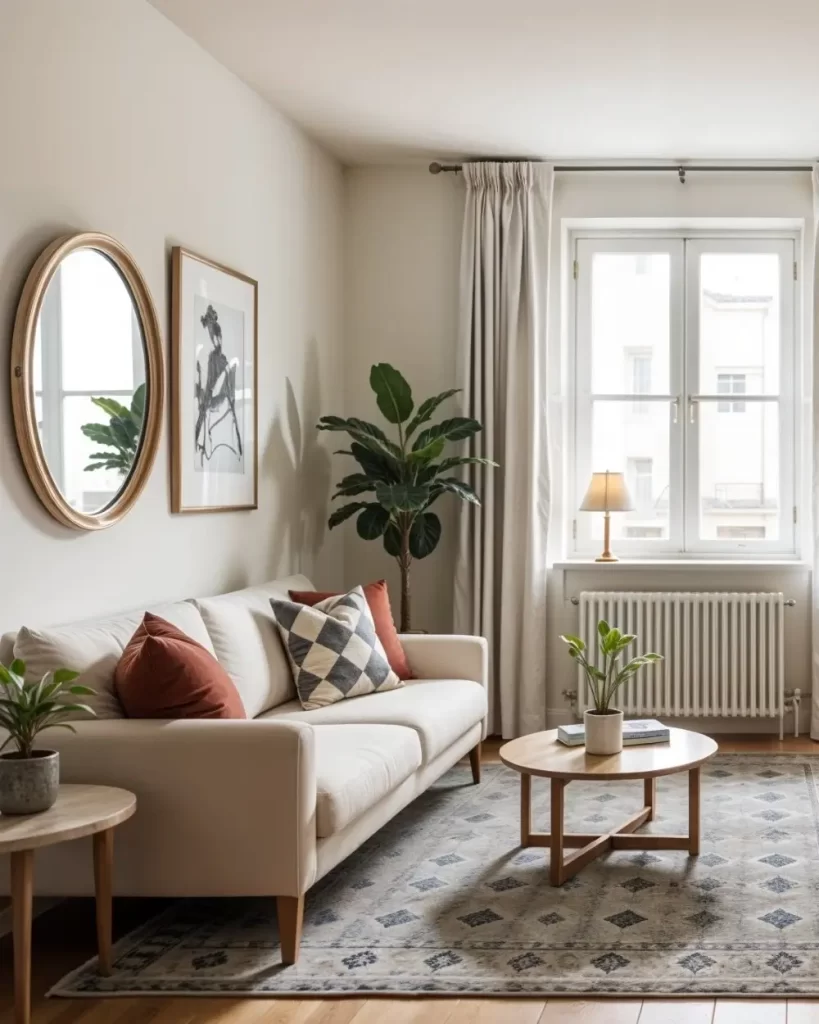
Mirrors bounce sunlight and make your space feel significantly bigger. Lean a tall mirror against the wall or hang a medium one where it catches natural light.
Thrift stores are goldmines for affordable mirrors. Paint the frame gold or matte black for an instant luxury upgrade. This trick alone makes studios feel twice their actual size.
Create Height Variation Everywhere
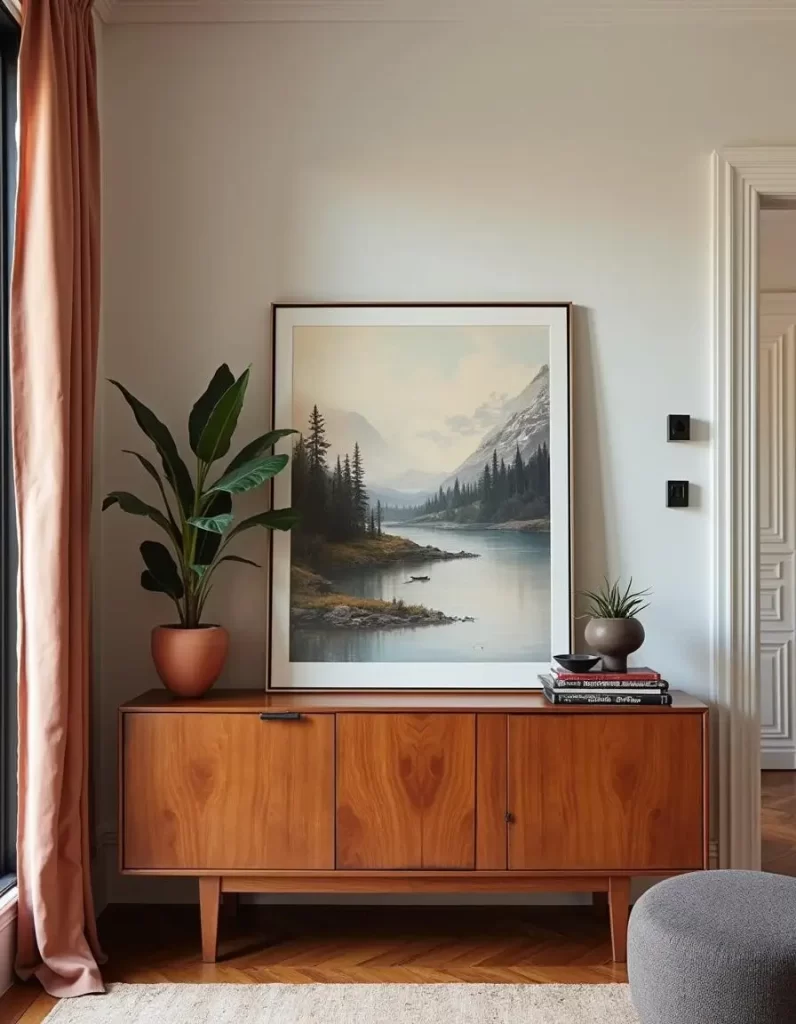
Same-height decor flattens your space and makes it feel smaller. Aim for height variation with tall lamps, hanging plants, floating shelves, or stacked books.
This principle applies to everything from your coffee table styling to your wall art arrangement.
For surfaces, think: book + small plant + candle on your coffee table. Or lamp + small plant on your side table. Easy to adjust when you need the surface for actual use.
Thrift stores are treasure troves for books and ceramics that look expensive but aren’t.
Zone-by-Zone Styling Guide: Make Your Studio Look Expensive
Now let’s get into the specific moves that make each zone of your studio room design look intentional.
Living Area: Creating Comfort
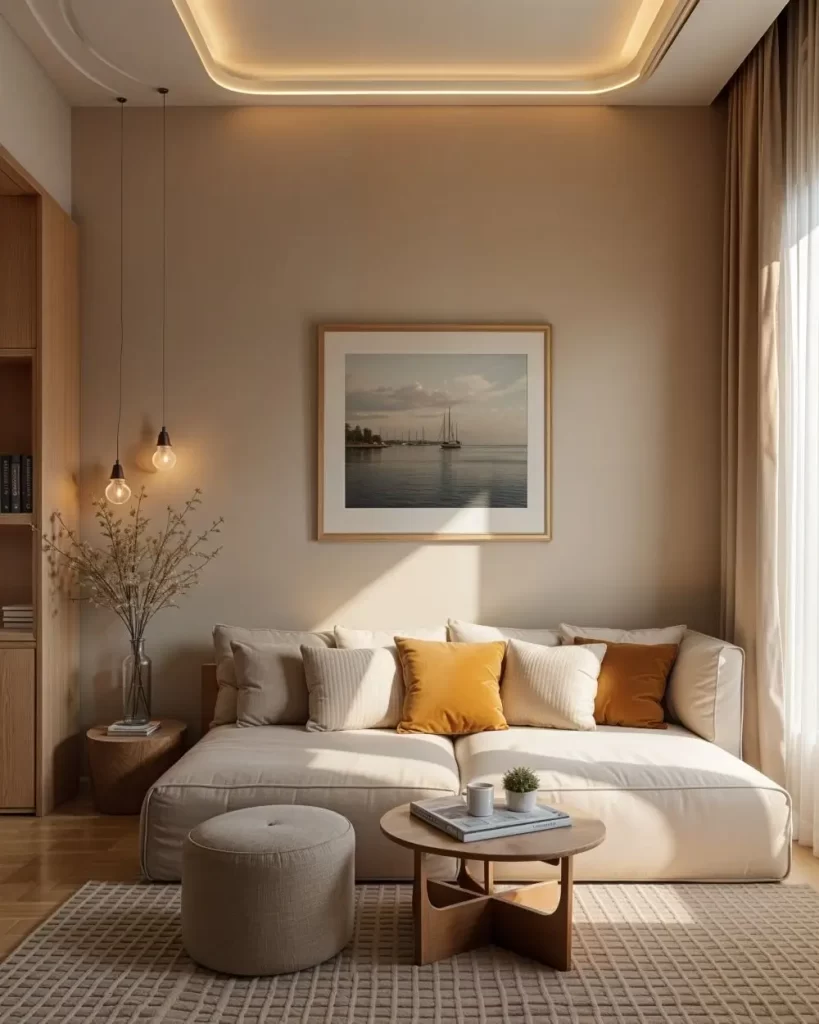
This is where the bulk of your styling happens. Get it right, and your entire studio feels elevated.
Ground your space with a rug. Choose a rug large enough for at least your sofa’s and chairs’ front legs to sit on it. This creates one cohesive seating area instead of furniture floating randomly.
Cozy up with throws and pillows. Grab 3-4 accent pillows in different textures—velvet, linen, chunky knit. Drape a throw casually over one arm of your sofa. This layering technique creates a richer, more dynamic effect.
Hang curtains like a designer. Mount them near the ceiling and let them run all the way to the floor. This makes even short windows feel taller and more dramatic.
Style your coffee table deliberately. When in doubt, use the magic formula: book + small plant + candle. Nothing more. This always looks curated.
You May Also Like: How to Style Pillows on a Couch | 21 Fresh & Easy Looks
Sleeping Area: Hotel Treatment
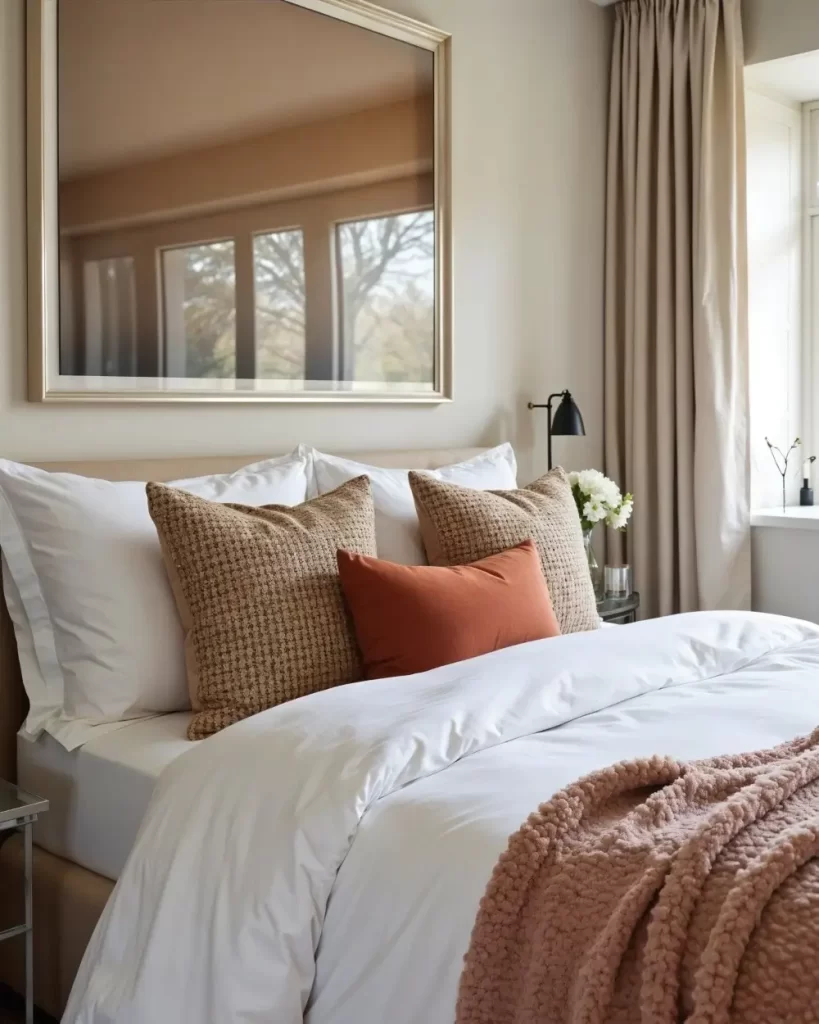
Your bed deserves the full hotel treatment, even in a studio.
Layer your bedding properly. Start with your regular pillows. Add 2-3 large decorative pillows in front. Place a textured blanket at the foot of your bed. This five-star upgrade costs almost nothing but looks expensive.
Add lighting strategically. Wall sconces around the bed save nightstand space while looking sophisticated. No-drill hack: mount plug-in sconces with adhesive strips. No hardwiring needed.
Cordless table lamps are another brilliant solution for tight spaces. You can position them exactly where you need light without worrying about outlet placement.
Skip nightstands if space is tight. Install a floating shelf above your bed instead. Phone, book, water glass—everything you need within reach without eating floor space.
Dining Zone: Making Meals Matter
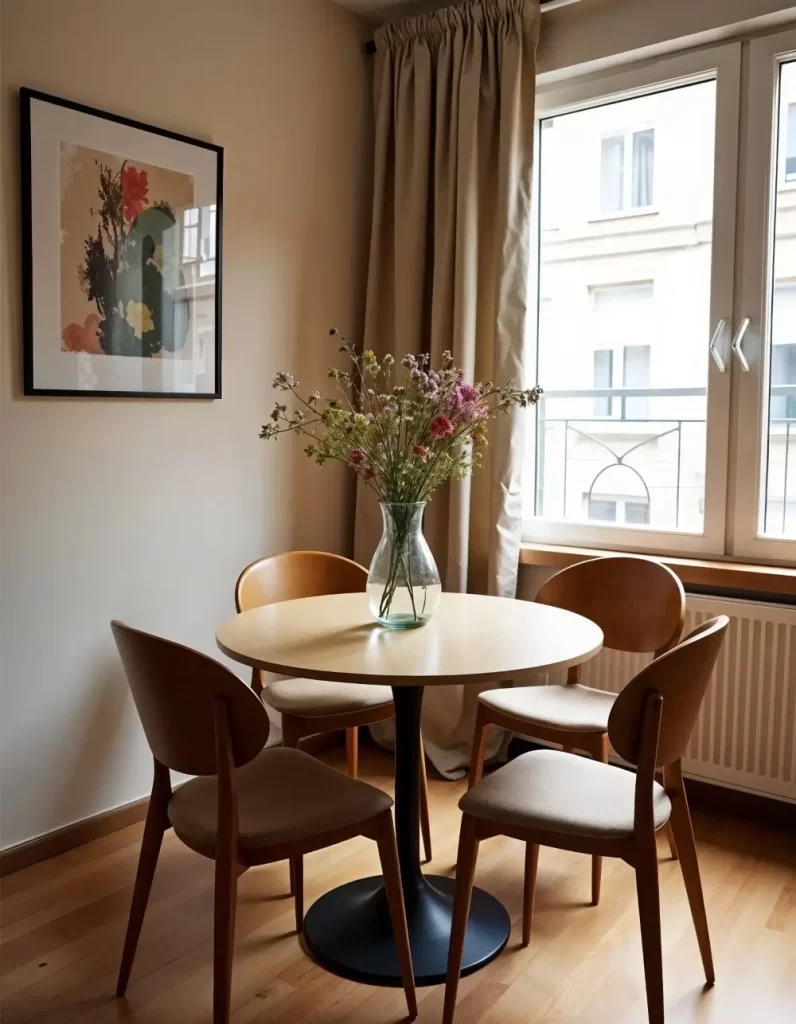
Even the tiniest dining setup can feel special with the right approach.
Choose your table shape wisely. Round tables fit more people and feel less formal. Perfect for studios where your dining area does double duty for work or socializing.
Style with one central element. A small vase with fresh flowers or a beautiful bowl with fruit are all you need.
Upgrade your everyday essentials. Swap basic items like plates and bowls for textured, elegant pieces. Even inexpensive ceramic plates look substantially better than supermarket plastic.
You May Also Like: How to Nail Dining Room Table Decor Every Single Time
Workspace: Defining Boundaries
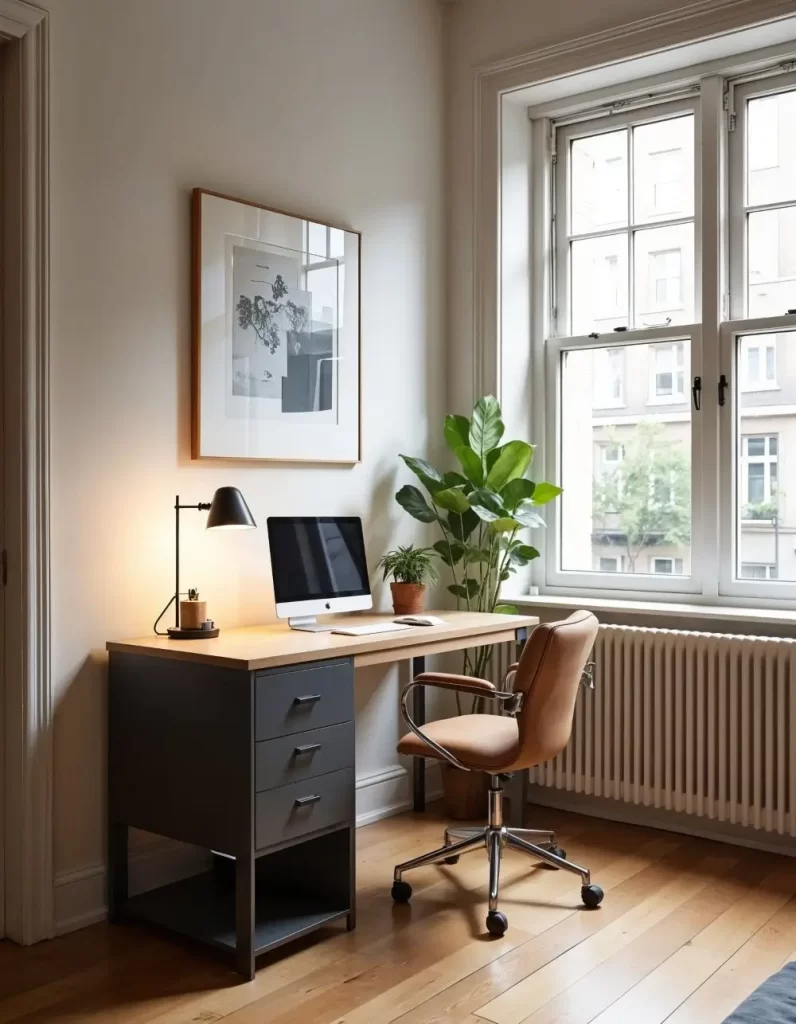
If you often work from home, your workspace needs clear definition.
Position your desk strategically. Near a window for natural light if possible. Use your closet or a bookshelf as a visual divider between work and living spaces.
Keep your desk surface minimal. Laptop, lamp, one small plant maximum. Everything else lives in drawers or on shelves. A clear desk signals the end of the workday—critical in studios where work and home occupy the same physical space.
Invest in good task lighting. Your overhead lighting isn’t enough for extended computer work. A quality desk lamp prevents eye strain and makes your workspace feel professional.
Kitchen: Small Space, Big Impact
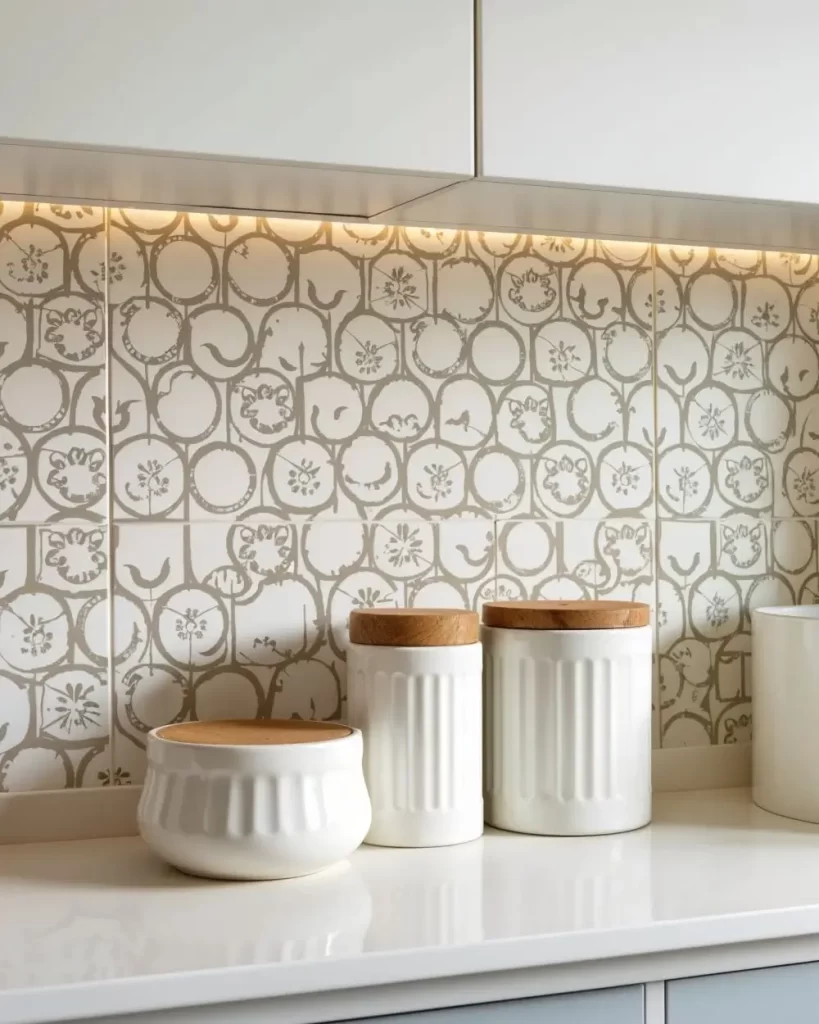
Your kitchen might be tiny, but these moves make it feel custom.
Elevate your containers. Ditch mismatched plastic for glass jars with wooden lids or ceramic canisters.
Hide clutter in style. Woven baskets and ceramic pots are beautiful decor that also functions as storage. Your dish towels and utensils become part of the aesthetic instead of visual clutter.
These pieces are easy to find but always look intentional.
Bathroom: The Secret Glow-Up
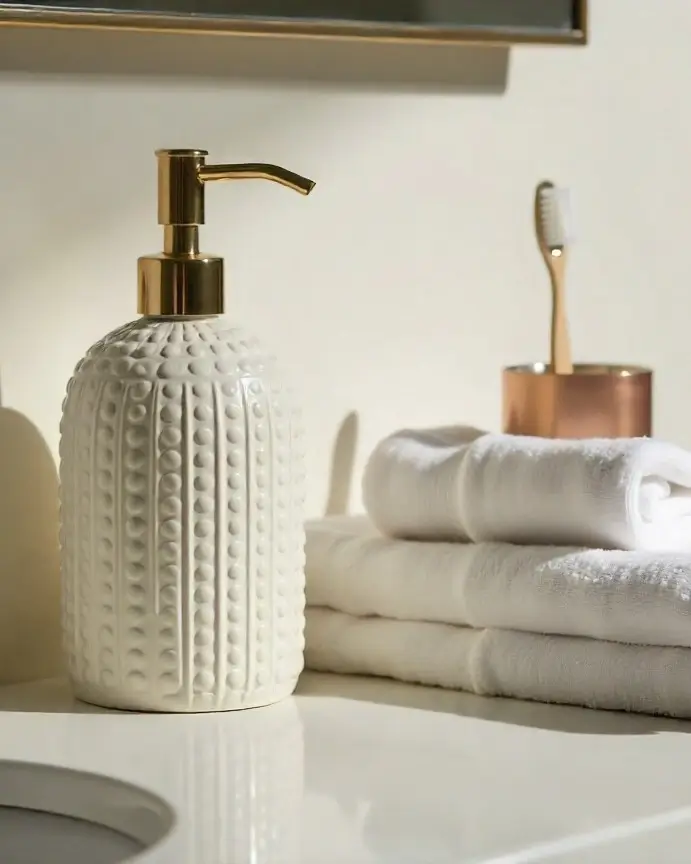
Most people treat their bathroom as an afterthought. Huge mistake. A styled bathroom elevates your entire place.
Upgrade everyday essentials. Swap basic soap pumps, toothbrush holders, and towels for elegant textured pieces. This instantly shifts from college dorm to boutique hotel energy.
Add art unexpectedly. Botanical prints in bathrooms create instant spa vibes.
Go green. Humidity-loving plants like pothos, ferns, or aloe thrive in bathrooms. They purify air and give you that expensive spa feeling for practically nothing.
Final Thoughts on Studio Room Design
I’ve lived the reality of small spaces for almost a decade and the studios that worked weren’t necessarily bigger. They were just designed around how I actually lived instead of how I thought I should live.
So start with your lifestyle. Work from home daily? Prioritize your workspace. Love hosting dinners? Make room for a proper dining setup. Need serious separation between work and sleep? Design for that boundary.
Then add those luxury touches that make small spaces feel sophisticated. Warm lighting, hidden storage, quality textiles, statement pieces. These elevate your studio from functional to designer.
Your studio can absolutely feel like home. It just needs the right layout and a few smart styling choices. Now go design the space you’ll actually love living in.
You May Also Like: Small Apartment Interior Decor Made Easy in 7 Steps