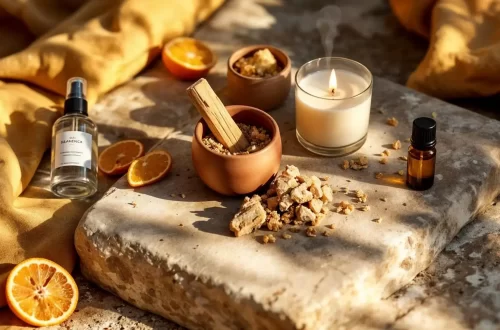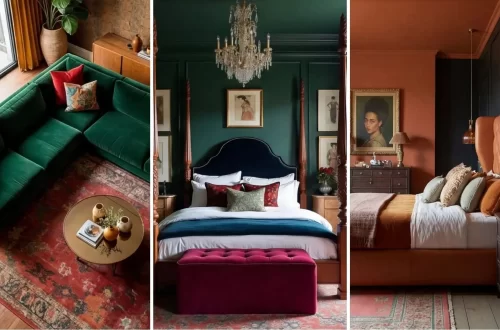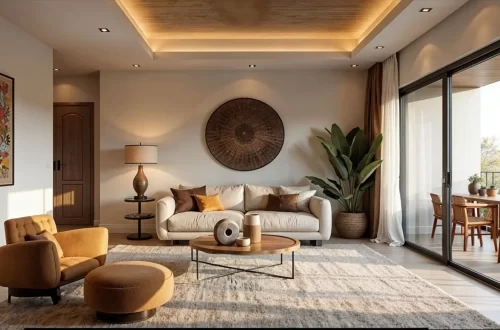
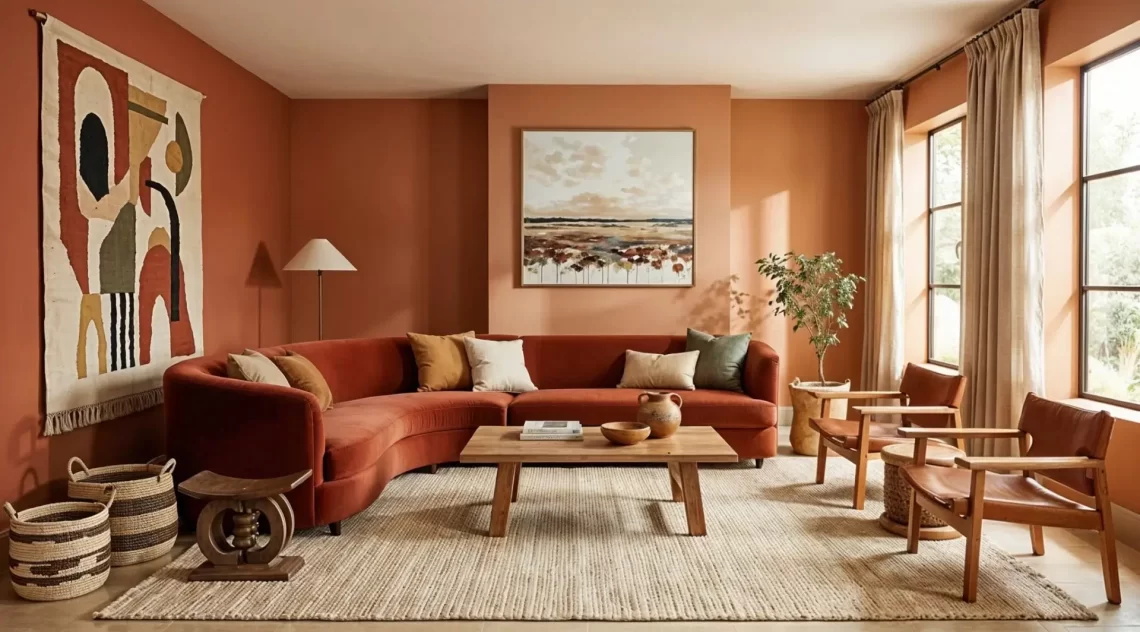
Terracotta is near and dear to my heart. Growing up in Senegal, I saw it everywhere. On walls. In textiles. In pottery piled high at the market. It’s just one of those colors deeply rooted in the visual scene of West Africa. Luckily for me, terracotta interior design works anywhere. Not just in homes trying to channel African or Mediterranean vibes. This earthy, warm tone brings something universal—a grounded, lived-in feeling that instantly makes spaces feel like home.
Jump to:
- What Exactly Is Terracotta?
- Every Terracotta Shade You Need to Know
- 3 Color Palettes That Work Perfectly with Terracotta Interior Design
- Beautiful Walls for Terracotta Interior Design
- Terracotta Interior Design Through Furniture
- Terracotta Decor That Makes the Difference
- What Pairs Beautifully with Terracotta Interior Design
- Final Thoughts on Terracotta Interior Design
What Exactly Is Terracotta?
The word literally means “baked earth.” Terracotta is clay shaped by hand or mold, then fired at relatively low temperatures. The result? A porous, matte material with naturally warm tones ranging from soft peach to deep rust. The exact shade depends entirely on the local soil.
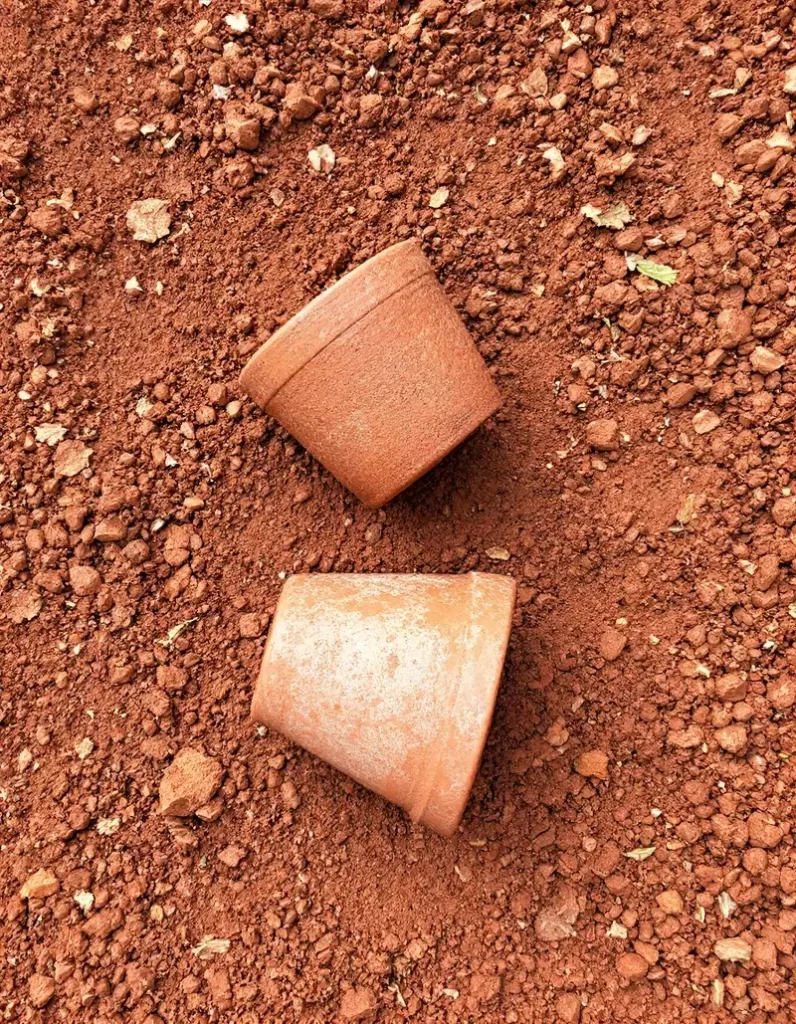
In West Africa, terracotta thrives because the region has iron-rich clay that fires beautifully without additives. The material stays cool in hot climates, making it practical and gorgeous. You’ll find it in building materials, yes, but also in vases, plant pots, and textiles like mudcloth.
Morocco takes a similar approach but adds more glazing and surface treatment. Walk through any riad and you’ll see terracotta tiles in kitchens and courtyards, often paired with intricate patterns.
The color itself carries this heritage. Warm, earthy, instantly recognizable. When you bring terracotta into your space, you’re tapping into thousands of years of human craftsmanship.
You May Also Like: 11 African Interior Design Ideas for a Stunning Home
Every Terracotta Shade You Need to Know
Not all terracotta looks the same. Here are the shades that matter most for terracotta interior design.
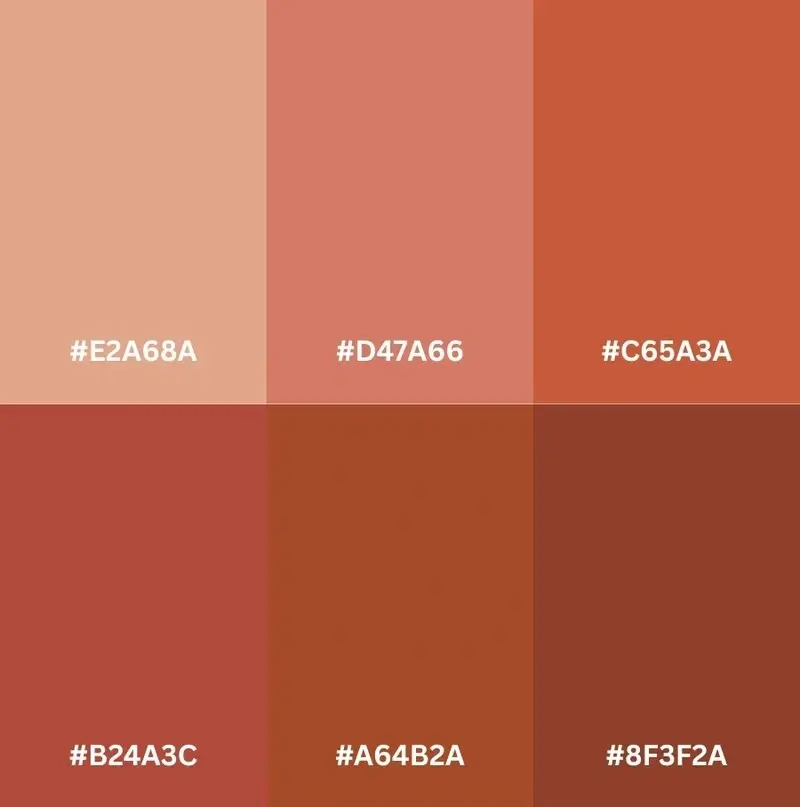
Clay Beige
Hex: #E2A68A
This is light terracotta energy. Easy on the eyes, warm without being intense. Perfect for large walls when you want terracotta vibes but need to keep things safe and approachable.
Blush Clay
Hex: #D47A66
Soft with a hint of pink. Calm, flattering, incredibly save-worthy. This shade works beautifully in bedrooms or any space where you want a warm feel that’s not too heavy.
Terracotta
Hex: #C65A3A
The reference shade. When someone says “terracotta,” this is what they’re picturing. Bright, earthy, instantly recognizable. This is your go-to for accent walls and statement art.
Ember Red
Hex: #B24A3C
Moody and grounded. Ember red leans deeper and richer than classic terracotta. Use it on accent walls, ceramics, or textiles when you want something with more presence.
Burnt Orange
Hex: #A64B2A
Deep and bold without going loud. This shade bridges the gap between terracotta and rust color. Great for statement pieces like a velvet sofa or large artwork.
Rust
Hex: #8F3F2A
The deepest option. Rust reads richer than classic terracotta without tipping into brown. Perfect for elegant textiles and spaces with wood-heavy furniture.
3 Color Palettes That Work Perfectly with Terracotta Interior Design
Multi-Terracotta Palette
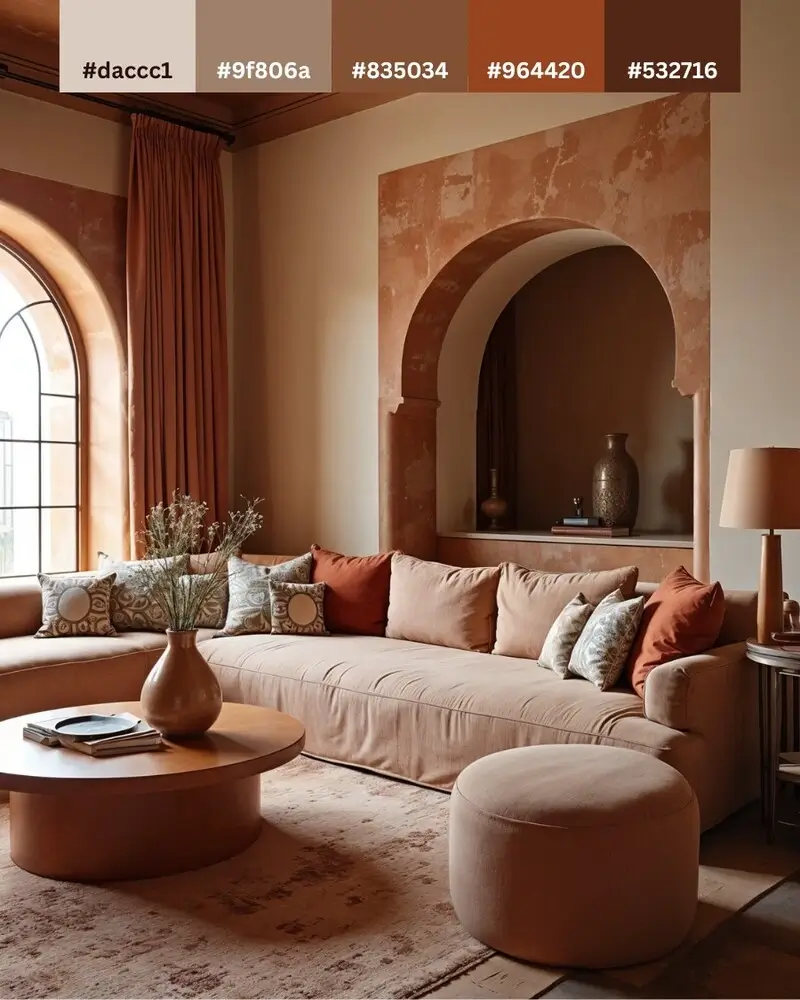
This one’s for terracotta lovers. Mix two or three terracotta tones with a couple of softer neutrals like beige or cream. It’s a subtle way to embrace the color without overwhelming your space.
The trick? Keep most tones lighter with just one or two darker terracotta accents. This creates visual interest while maintaining the grounded feeling terracotta does so well.
Best for: Living rooms and dining rooms where you want warmth without sharp contrasts.
Earthy Nature Palette
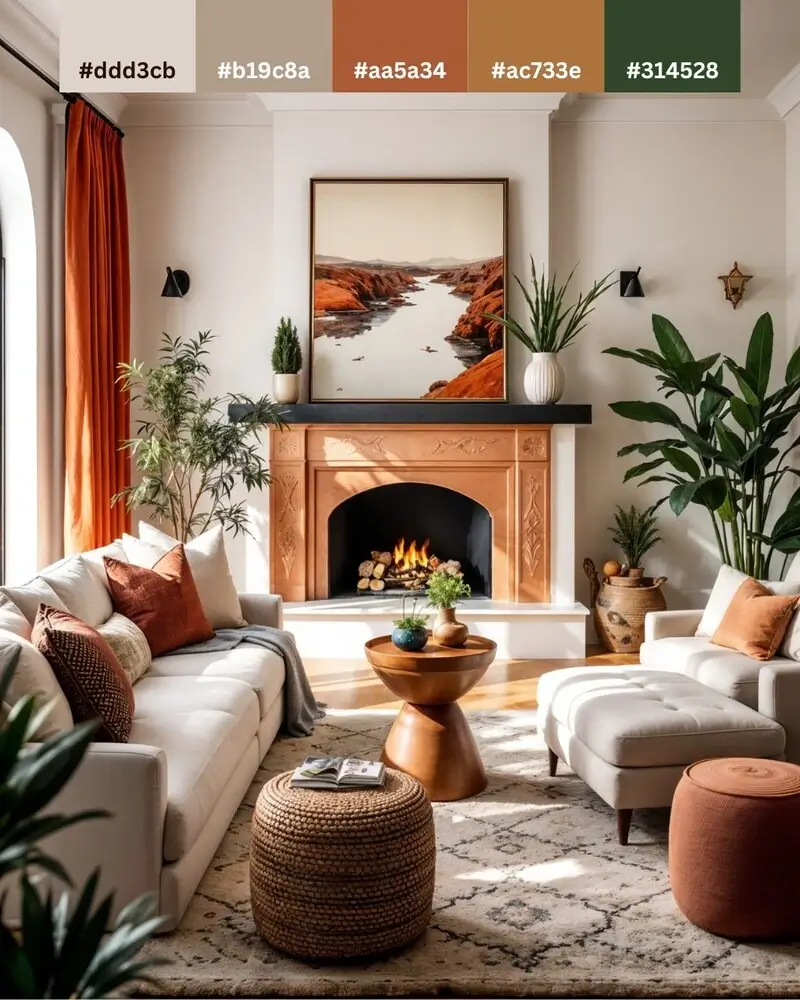
Integrate a terracotta accent into a nature-inspired scheme. Think soft tones, light wood, and plant green. This approach works beautifully because terracotta comes from nature. It’s literally soil, made to blend with woods and plants.
Pair your terracotta with sage green, cream, warm beige, and natural wood tones. Add actual plants for good measure. The result feels organic and cohesive.
Best for: Spaces where you want that biophilic design vibe—bringing the outdoors in.
You May Also Like: 7 Earthy Color Palettes Stolen From Spectacular Landscapes
Dark & Terracotta Palette
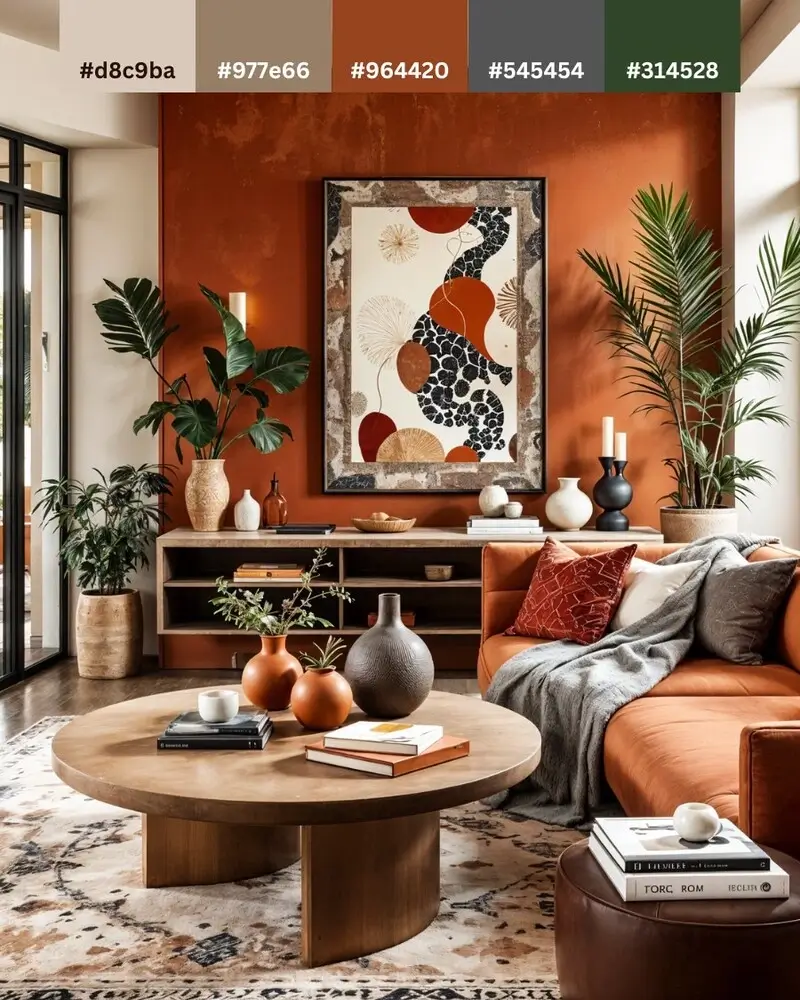
A little more daring. A little more personal. This palette takes a nature-inspired approach but goes deeper on the tones. Integrate an additional accent like dark gray or indigo blue that blends beautifully with deep terracotta.
Think rust-colored sofa with charcoal throw pillows. Terracotta walls with light wood furniture. The contrast is more dramatic but still feels grounded.
Best for: Confident decorators who want something with more edge and personality.
Beautiful Walls for Terracotta Interior Design
Your walls offer the biggest opportunity to bring terracotta into your space. Here’s how to do it right.
Elevated Paint Finishes
Regular flat paint works fine, but for terracotta interior design, I prefer elevated finishes like limewash or Roman clay. These textured finishes make the color feel more natural and authentic.
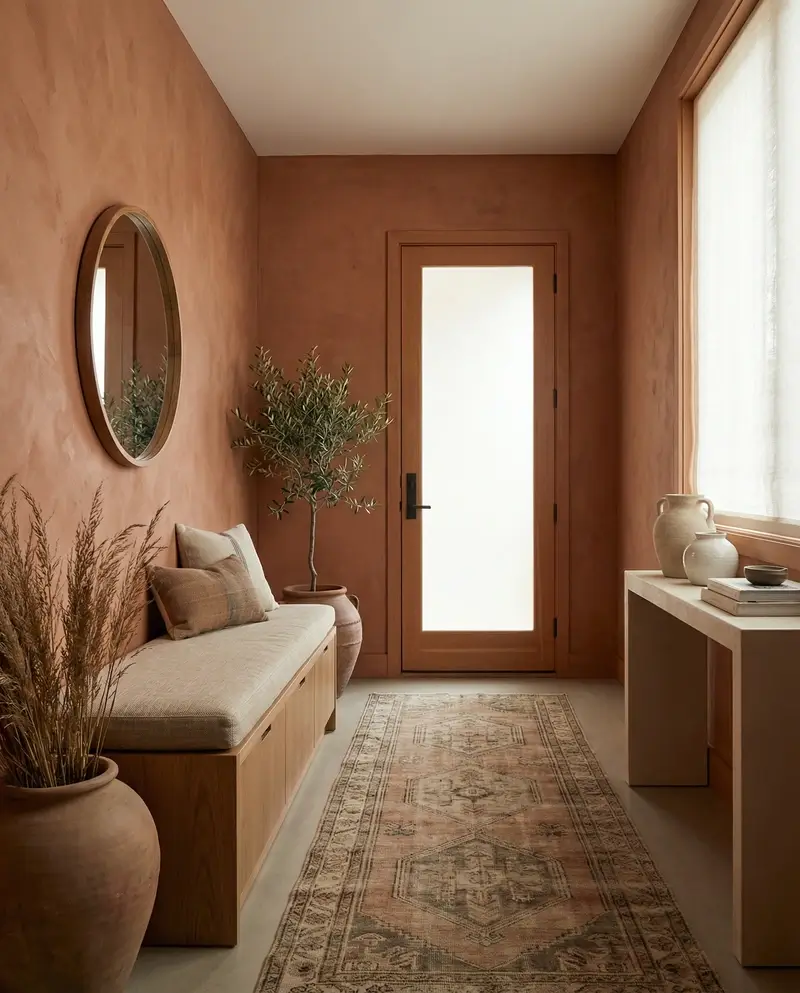
They evoke traditional ancient styles, adding instant character to your space. The slight texture catches light differently throughout the day, making your walls feel alive rather than flat.
If you’re going the terracotta wall route, this extra step transforms good into spectacular.
Wallpaper Options
You love the idea of Roman clay but don’t have the time or skills? Wallpaper can replicate these textures, or introduce new possibilities.
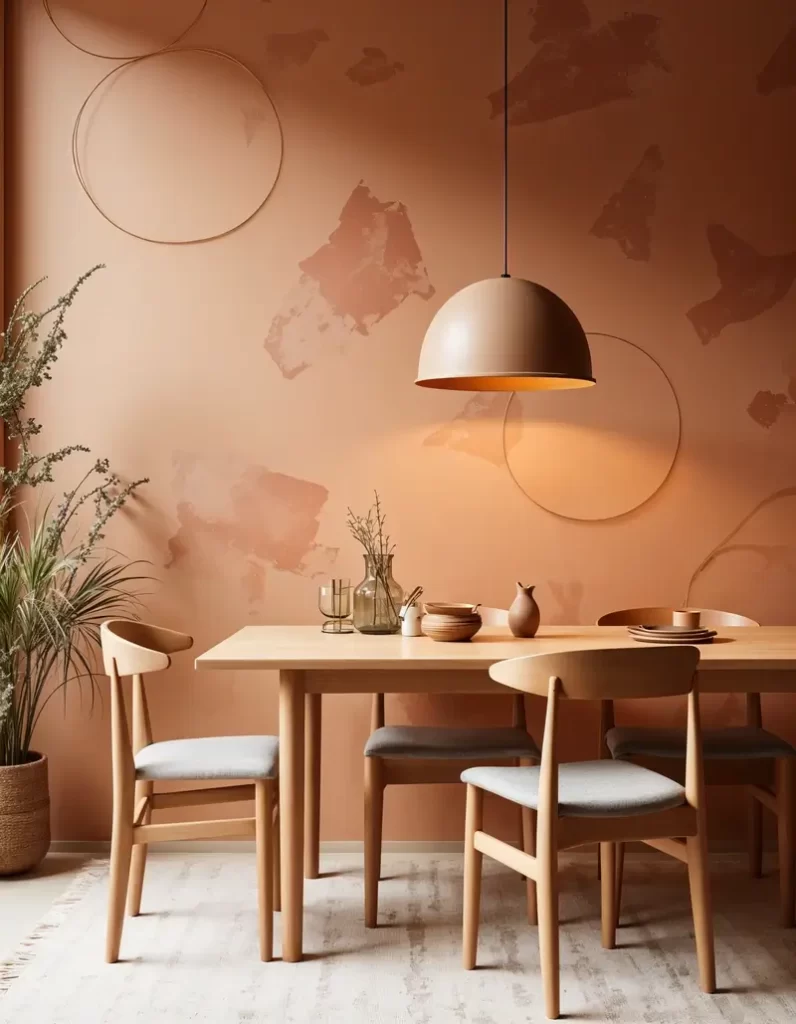
Opt for wallpaper with soft terracotta motifs. The options are endless—geometric lines, organic shapes, botanical prints, all in gorgeous terracotta tones.
I particularly love this approach in dining rooms. A terracotta motif wallpaper creates a beautiful backdrop for natural wood tables and chairs. It adds visual interest without overwhelming the space.
You May Also Like: African Wallpapers You’ll Love: 11 Picks for Every Room
Terracotta Tiling
Tiling is the third way to bring terracotta to your walls. This is a Moroccan specialty: Zellige terracotta tiles are simply exquisite.
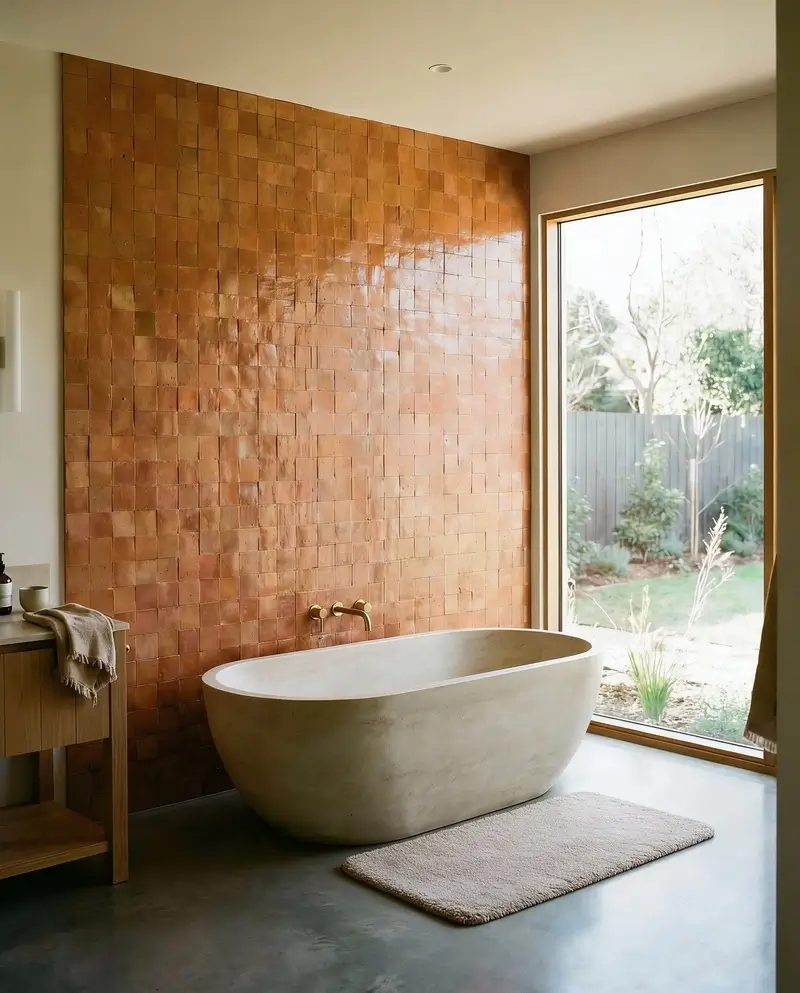
Use them in bathrooms or kitchens. The large wall behind your bathtub. Inside the shower. As a kitchen backsplash. These spaces benefit from both the beauty and the practical, water-resistant qualities of terracotta tile.
The handcrafted quality of traditional terracotta tiles adds texture and authenticity that mass-produced options can’t match.
You May Also Like: Moroccan Tiles for Bathroom: A Stunning World of Style
Architectural Details: Arches
Terracotta and arches just work together. You can paint an arch detail within a terracotta wall. Or create an arch accent where the inside of the arch is painted terracotta while the surrounding wall stays light.
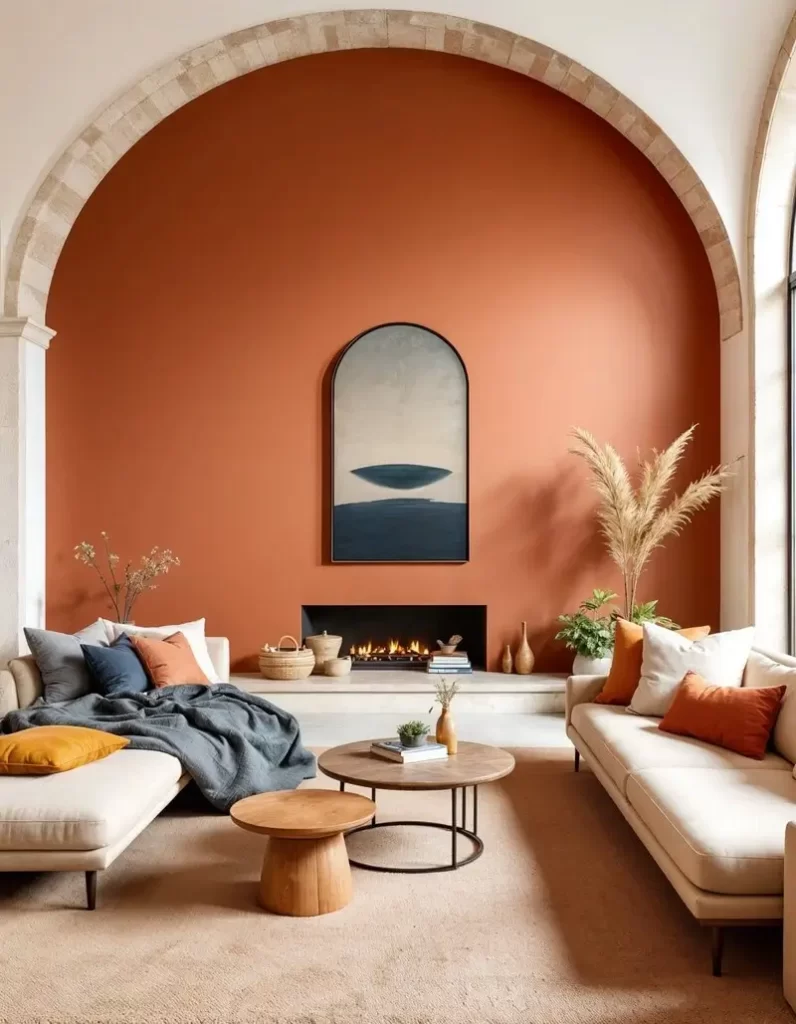
It’s a stunning architectural detail to add if you’re remodeling a space. The combination feels timeless—like something you’d find in both ancient African architecture and contemporary Mediterranean homes.
How to Style Terracotta Walls
Some people go full terracotta on all walls. That’s a statement. You’ll see this more in hospitality spaces like hotels and restaurants where drama serves the brand.
At home, you can absolutely do this with lighter terracotta tones like clay beige or blush clay. These shades have enough softness to work on every wall without overwhelming you.
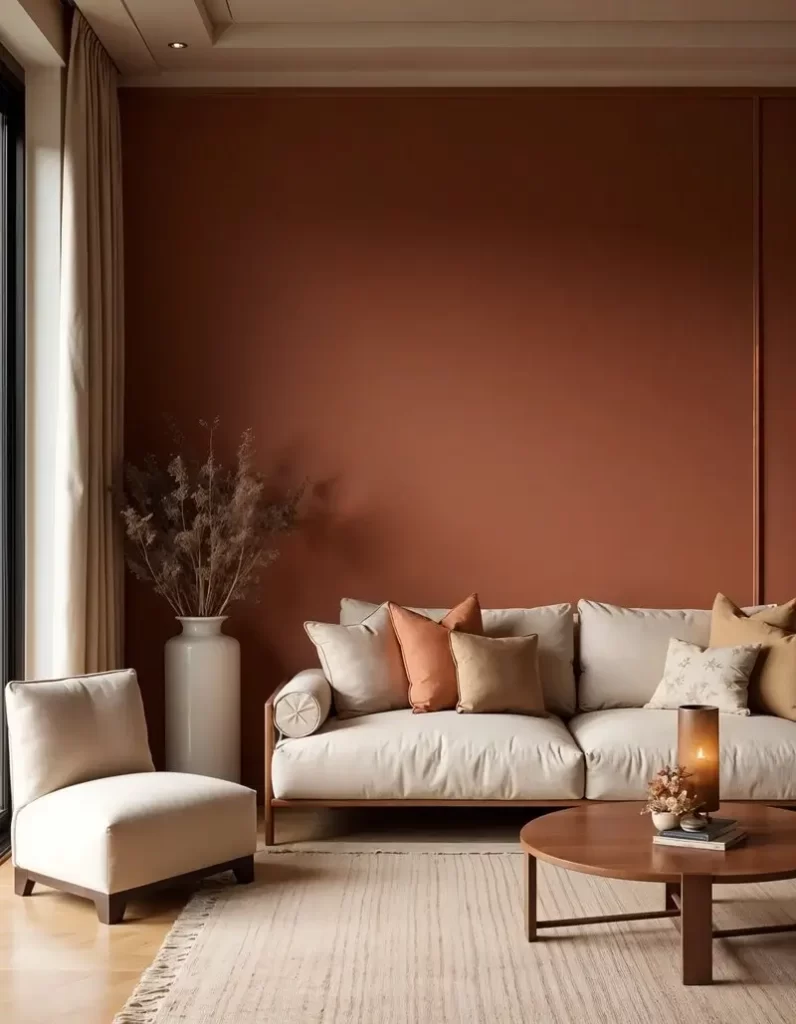
With traditional deep terracotta colors, though, we generally recommend an accent wall. Pick the large wall of the room—the one where you’d hang gallery wall art, the one behind your couch or a large sideboard.
This approach avoids oversaturation while creating a gorgeous canvas to highlight the furniture and art placed in front of it.
You May Also Like: Gallery Wall Art: Your Complete Guide to Getting It Right
Terracotta Interior Design Through Furniture
Furniture offers another resourceful way to bring terracotta into your space. The color works particularly well for seating options.
Terracotta Sofas
This is your statement piece. My approach? Go deep terracotta with light woods and neutrals for the other large pieces in the room. You want the terracotta presence to be felt, to anchor the space.
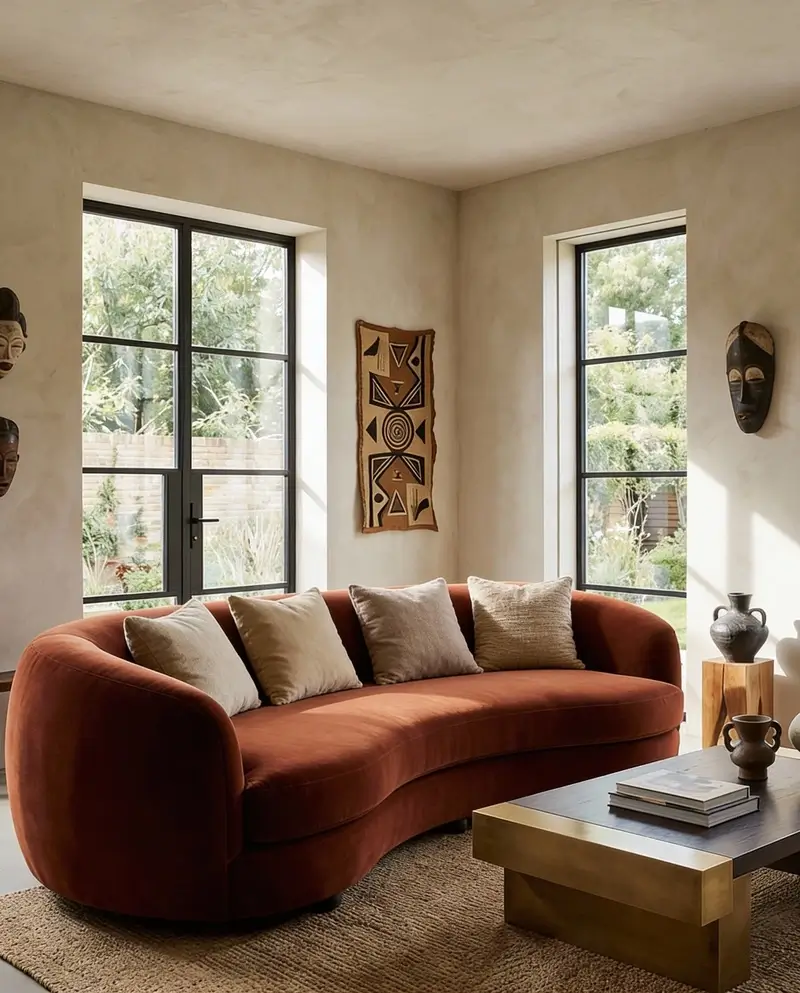
A terracotta sofa becomes the room’s focal point. Everything else supports it. Pair with cream walls, natural wood coffee table, warm beige rug. Then incorporate one other accent color—maybe navy or forest green—for even more style and character.
The beauty of a terracotta sofa is how it instantly warms up a space. No more cold, unwelcoming living room. Just immediate coziness.
Accent Chairs
Perfect for a gorgeous reading nook or as part of your living room composition. A terracotta accent chair can be the pop of color in an otherwise earthy neutral room.
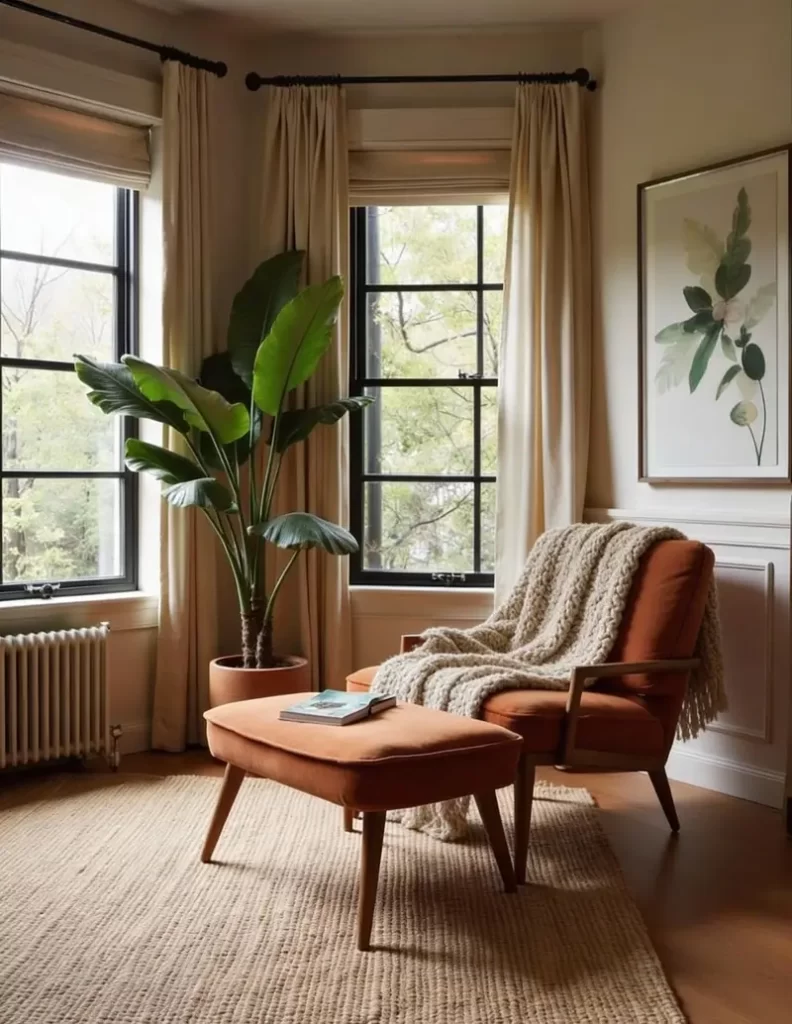
Look for interesting shapes—curved backs, sculptural legs, unexpected silhouettes. The terracotta color already makes a statement, so the form can be either simple or dramatic depending on your style.
Daybeds & Upholstered Benches
I really love this format. A terracotta daybed in your living room or an upholstered bench at the foot of your bed allows the color to spread across a larger surface.
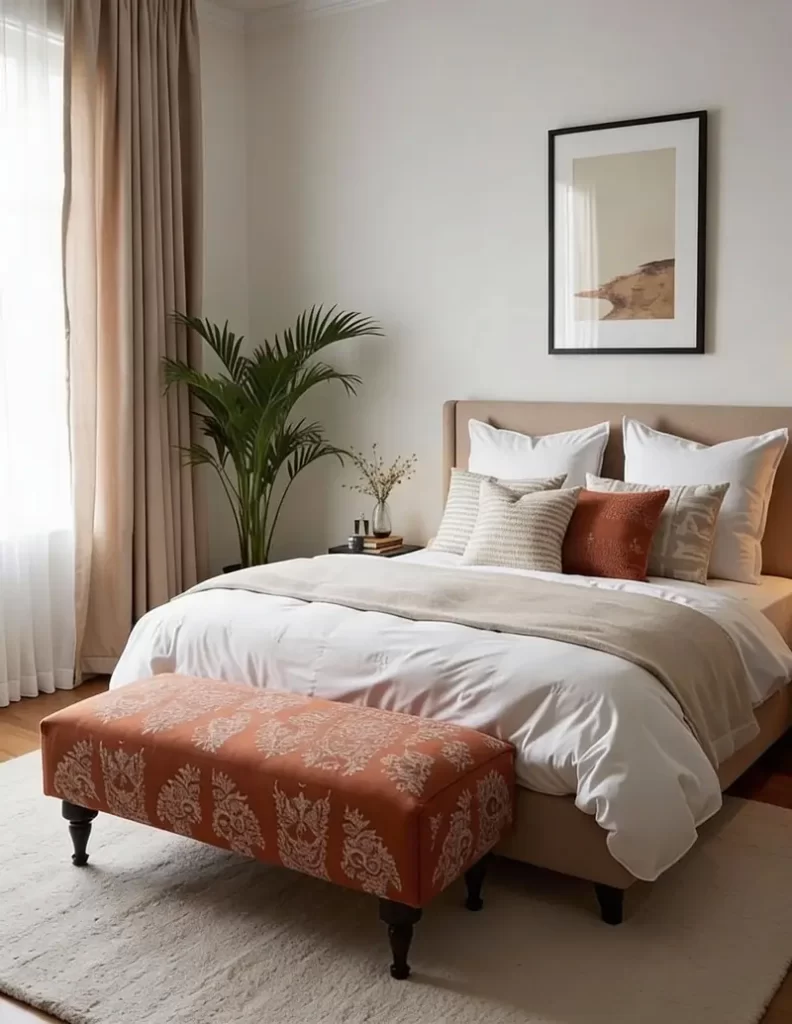
Plus, it’s a good way to incorporate patterns if you like that. A terracotta and cream striped daybed. A bench with subtle geometric patterns in various terracotta tones. These pieces bring great visual interest while maintaining that warm, cozy feeling.
Terracotta Decor That Makes the Difference
Sometimes you want terracotta interior design without committing to painted walls or large furniture. Enter decor.
Terracotta Rugs
I love rugs. They have a special place in my heart. So naturally, I love them as a canvas to introduce terracotta into your home.
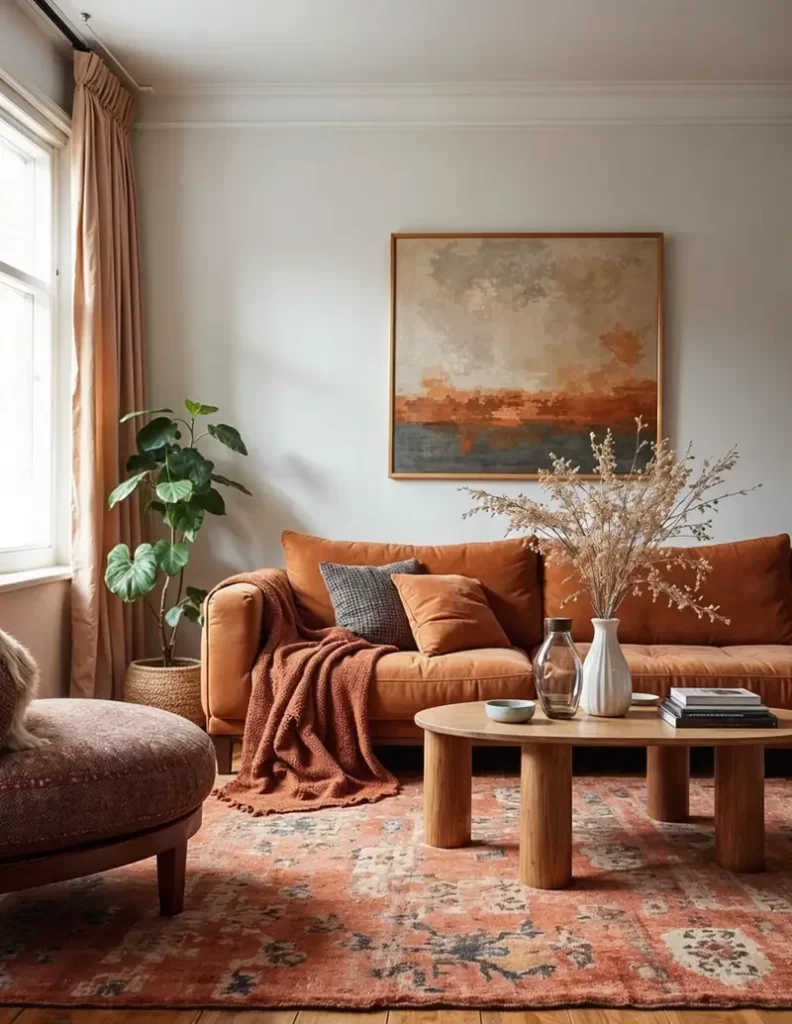
A terracotta rug anchors your space with warmth and texture. Look for vintage-inspired patterns, geometric designs, or solid terracotta with interesting weave patterns. The rug grounds your furniture while tying the color palette together.
You May Also Like: African Rug Magic: Glorious Style Meets Rich Heritage
Throw Pillows and Blankets
For a couch, a bed, thrown on an accent chair—you get the idea. These small touches layer in terracotta without overwhelming the space.
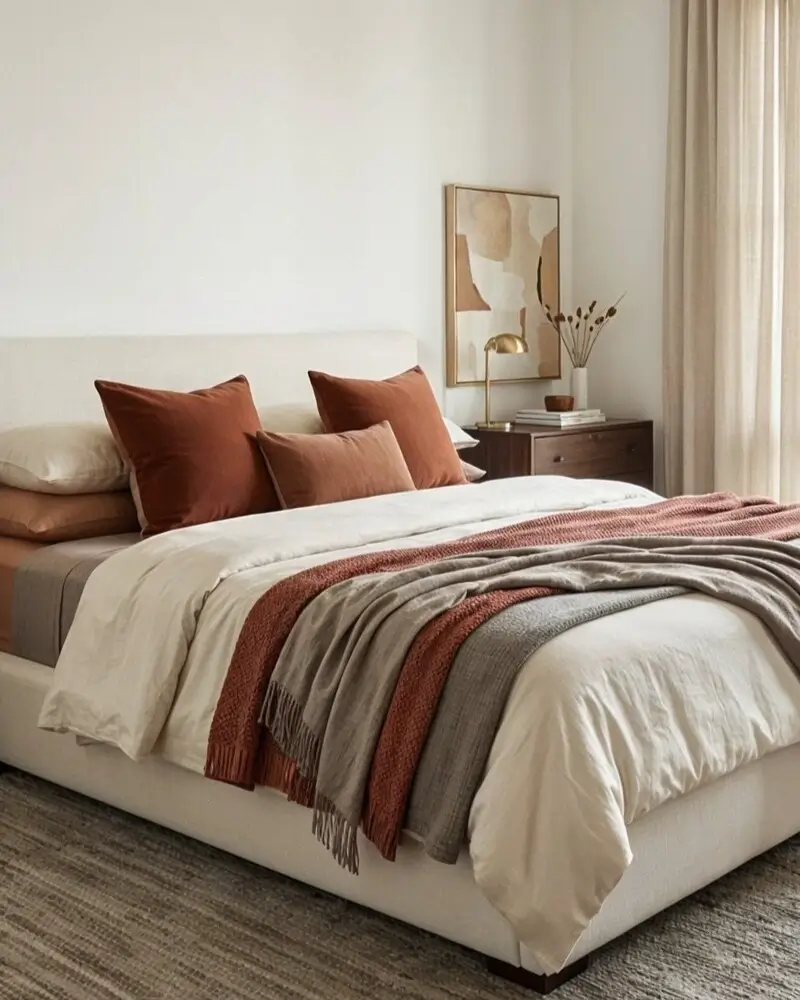
Opt for mudcloth-inspired pieces from West African artisans. Or chunky knit blankets in burnt orange. Mix solid terracotta pillows with patterned ones that incorporate terracotta alongside cream or navy.
The key is variety in texture. Velvet, linen, woven cotton, chunky knit—different materials to create visual depth.
Vases and Plant Pots
Small simple vases and plant pots are tiny touches that make a difference. And terracotta pairs beautifully with plants—both the color and the material were literally made for each other.
But I’m a big-vase lover. Those large, organic vases with rounded details and flowy shapes? Gorgeous. I love them. Get one.
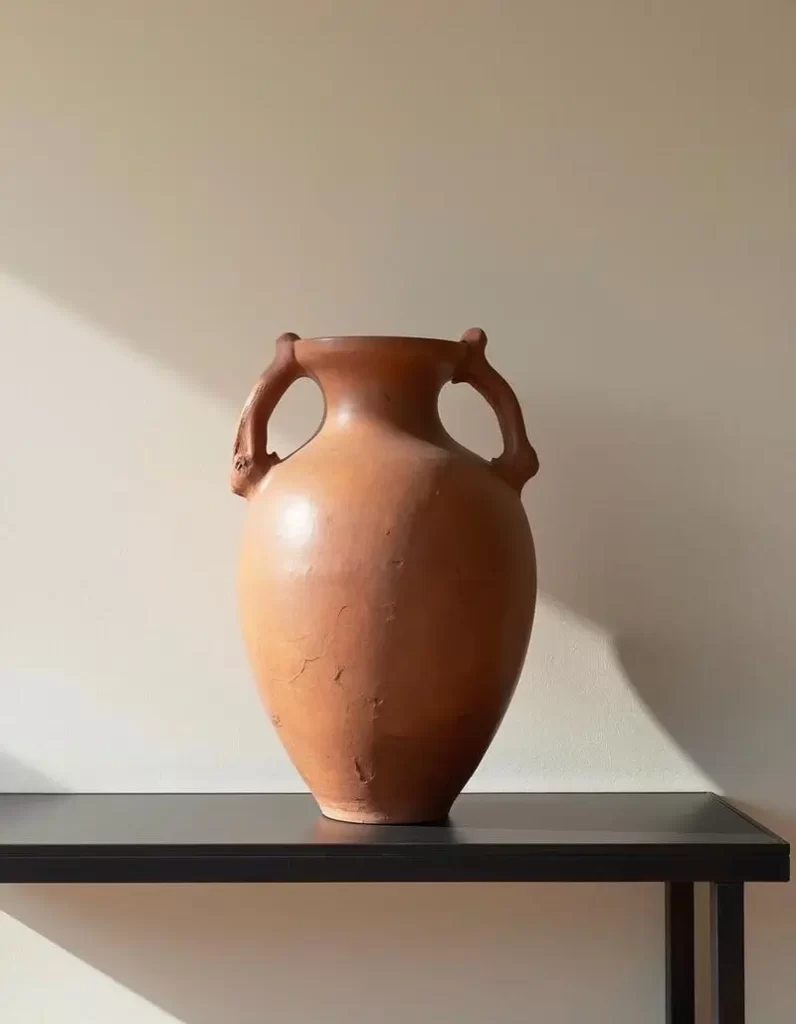
Place it on your sideboard or console table. Fill it with dried pampas grass or branches. Or leave it empty and let the sculptural form speak for itself.
You May Also Like: African Pottery History & 6 Remarkable Styles
What Pairs Beautifully with Terracotta Interior Design
Natural Materials
Terracotta instantly brings warmth, so it pairs best with cozy and organic elements rather than stark contemporary pieces. Though terracotta can absolutely be modern—don’t get me wrong. But being an earthy color, it naturally gravitates toward organic materials.
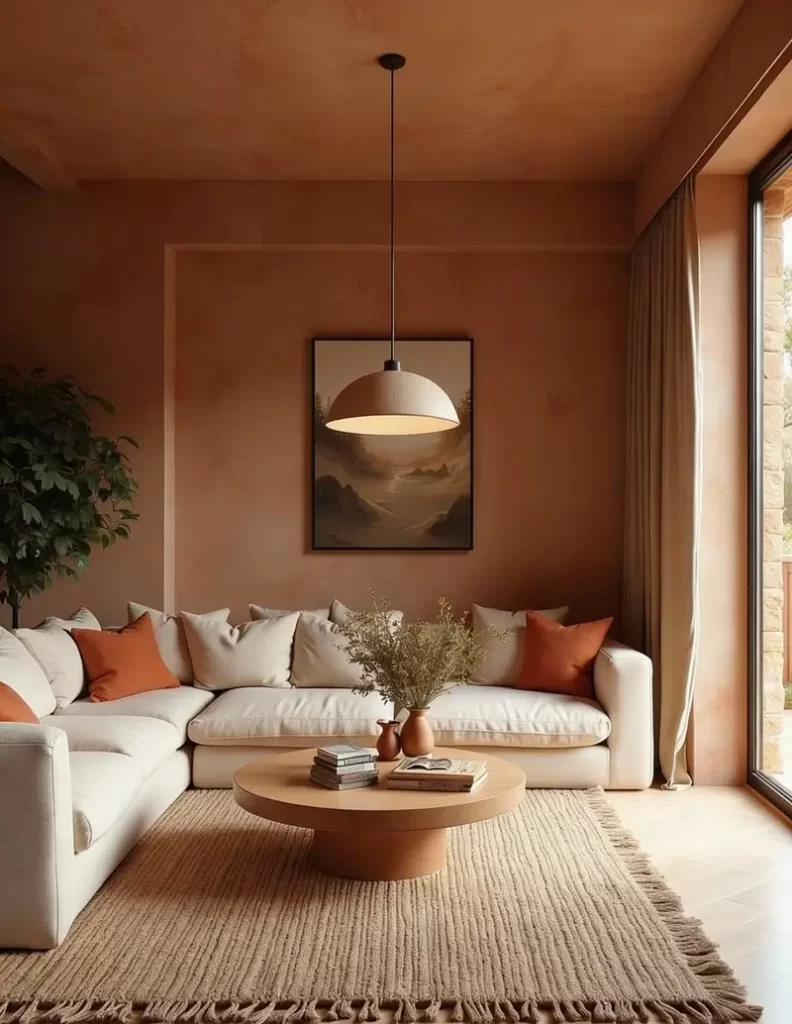
Light woods work better than darker woods. Dark woods plus terracotta accents can overwhelm a room, making it feel heavy. Light woods lift the space and play beautifully off the terracotta’s warmth.
Think oak, ash, light maple, or natural rattan. These create breathing room while maintaining that natural, grounded aesthetic.
Woven Pieces
Baskets, pendant lights, woven rattan chairs, sisal rugs—these textures complement terracotta perfectly. The handcrafted quality of woven pieces mirrors the handcrafted origins of terracotta itself.
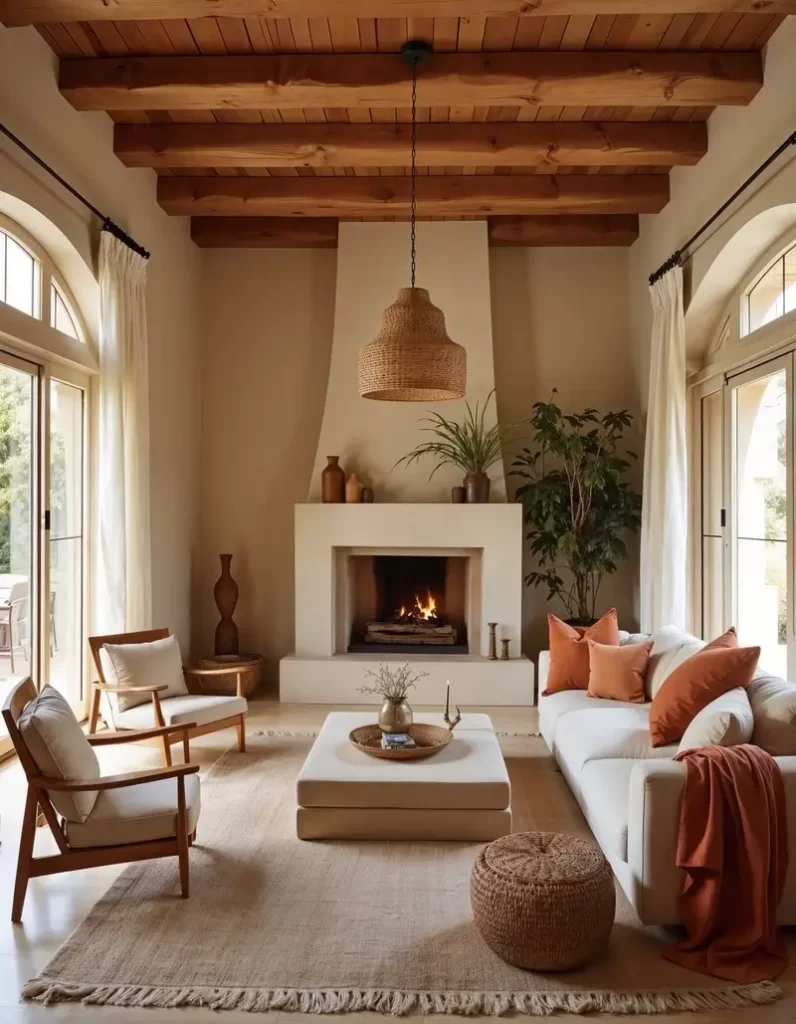
West African weavers create incredible baskets in natural tones that work seamlessly with terracotta. Bolga baskets from Ghana, Senegalese baskets in tan and rust—these pieces bring both function and beauty.
Hang them on your terracotta accent wall. Use them for storage. Display them as art. They belong together naturally.
You May Also Like:
Another Dark Accent
Introducing rich blues, deep greens, moody grays in subtle touches through decor creates interesting contrast.
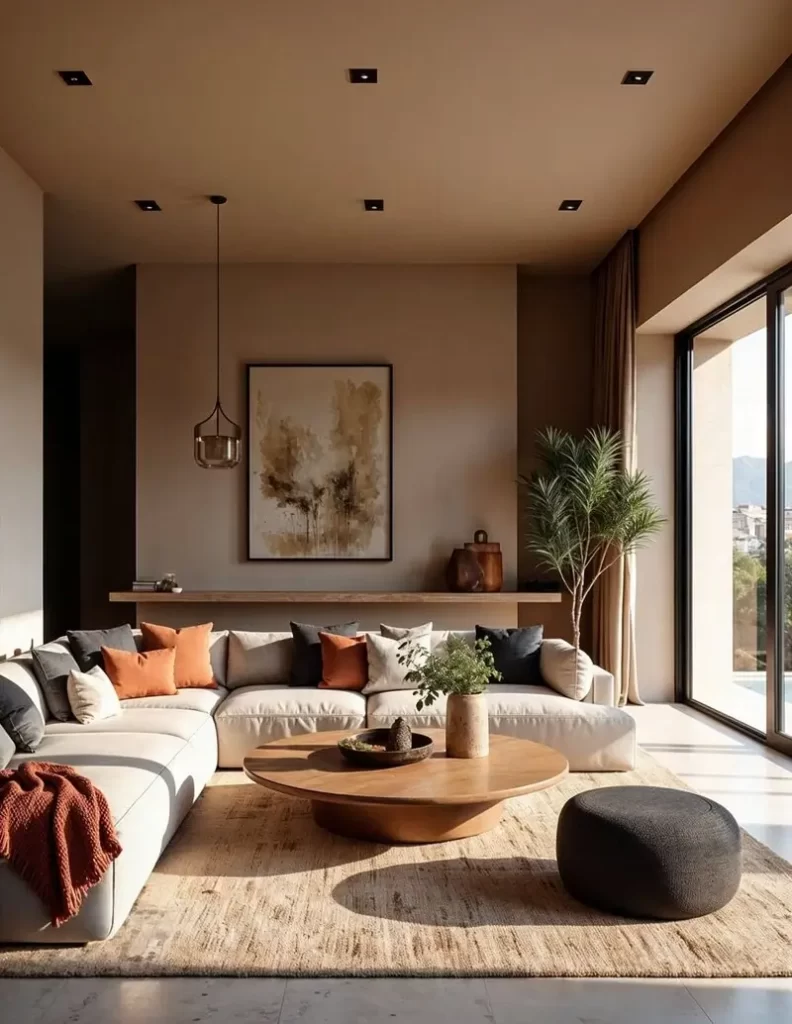
A navy throw pillow on your terracotta sofa. A forest green plant pot against your rust-colored wall. A charcoal ottoman and a terracotta throw. These combinations feel sophisticated and intentional.
The dark accent prevents terracotta from feeling too sweet or one-note. It adds depth and complexity while still letting the terracotta shine.
Final Thoughts on Terracotta Interior Design
Terracotta has been around forever. Literally thousands of years. Walk through any West African village and you’ll see these exact shades everywhere—in buildings, pottery, textiles, even the soil itself.
Your terracotta interior design choices tap into something timeless. Something that feels like home not because a magazine told you it should, but because it genuinely does. Warm, grounded, completely authentic.
Plus, terracotta makes spaces feel lived-in immediately. No more sterile showroom vibes. Just instant coziness and character.
So add that one terracotta throw pillow. A single rust-colored vase. Your gorgeous sofa or Roman clay terracotta walls. Your space will thank you.
You May Also Like: African Wall Decor: 5 Powerful Ways To Energize Your Home